

Swords have always been more than just weapons; they’ve been symbols of power, honor, and authority throughout history. From ancient warriors to medieval knights, the sword is a testament to strength and leadership. But beyond the battlefield, swords have taken on a deeper, almost mystical meaning, especially within the shadowy world of secret societies.
These clandestine groups have long fascinated us with their mysterious rituals and hidden symbols. Among the most powerful of these symbols is the sword, which represents not just physical power but a deeper, spiritual authority. Let’s discover how swords have come to embody power within some of history’s most enigmatic secret societies.
Historical Background of Swords as Symbols
Ancient and Medieval Uses
Swords have been around for thousands of years; from the start, they’ve been more than just tools for battle. In ancient times, swords were often used in rituals and ceremonies, symbolizing power, bravery, and leadership. Owning a sword was a big deal—it wasn’t just about having a personal weapon, but about having a status symbol.
For example, in many ancient cultures, swords were buried with their owners, signifying the weapon’s importance in both life and death. The sword represented the individual’s strength and honor, often seen as a reflection of their soul.
The sword took on even greater significance as we move into the medieval period. Think of the image of a knight—armor gleaming, sword in hand, ready to fight and uphold justice. The sword was the ultimate symbol of knighthood and chivalry in medieval times. It was a symbol of a knight’s duty to his lord, his faith, and the code of conduct he swore to uphold. Knights were often knighted with a sword, a powerful moment where the weapon was touched to their shoulders, symbolizing their new role as defenders of the realm. In this context, the sword was a badge of honor and a tool for justice.
Swords in Myth and Legend
Swords have also carved out a significant place in myths and legends, where they’re often imbued with magical qualities and represent more than just physical power. Take, for instance, the legendary sword Excalibur, associated with King Arthur. Excalibur wasn’t just any sword; it symbolized Arthur’s rightful kingship, granted to him by the Lady of the Lake. The sword represented divine authority and was said to possess magical powers, including the ability to blind enemies and make its wielder nearly invincible.
Throughout mythology, swords are often linked with divine right and the idea that certain individuals are chosen to wield power. They’re seen as instruments of destiny, often given to heroes by gods or mystical beings to carry out great deeds.
Whether it’s the sword of Damocles hanging as a reminder of the burdens of power or the Japanese katana, said to be forged with spiritual energy, swords in legend go beyond the physical realm, symbolizing the connection between the mortal and the divine.
The Role of Swords in Secret Societies
1. Freemasonry
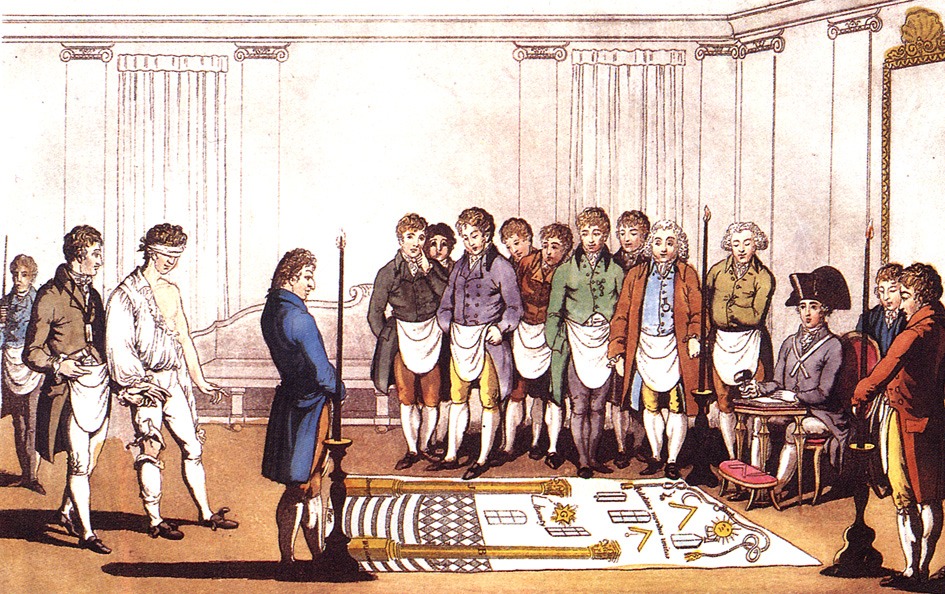
Freemasonry is one of the most well-known secret societies in the world, with a history that stretches back centuries. While much about the Freemasons remains shrouded in mystery, we know that this organization is built around brotherhood, morality, and spiritual enlightenment principles. Freemasonry has a rich tradition of symbolism, with the sword playing a particularly important role in its rituals and ceremonies.
In the world of Freemasonry, the sword carries deep symbolic meaning. During Masonic rituals, swords are often used in a ceremonial context, symbolizing protection and authority. For example, in certain Masonic degrees, a sword might symbolize the idea that members are there to protect and uphold the values of the fraternity. It’s a reminder that being a Freemason comes with responsibilities, not just to oneself but to fellow members and society at large.
The sword in Freemasonry is also a symbol of moral responsibility. It represents the idea that one must be vigilant in their actions, always striving to uphold truth and justice. In this sense, the sword is a metaphor for the inner strength required to live a life of integrity and honor.
2. The Illuminati
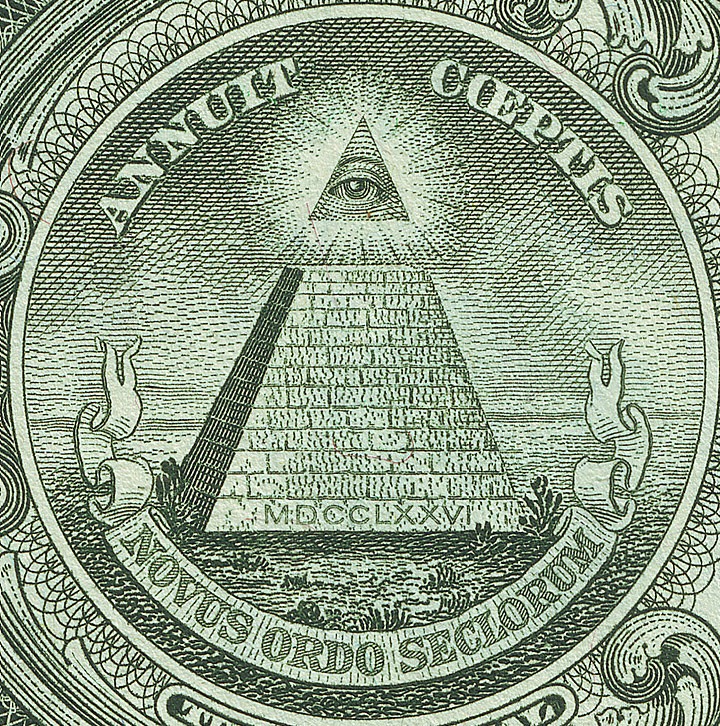
The Illuminati is perhaps one of history’s most famous—and infamous—secret societies. While there’s a lot of mystery and speculation surrounding the Illuminati, what we do know is that it was originally founded in the late 18th century to promote enlightenment ideas and challenge established institutions. Over time, the Illuminati has become synonymous with conspiracy theories, often being depicted as a shadowy group that wields incredible power and influence behind the scenes.
One way the Illuminati has been portrayed, both in historical accounts and popular culture, is through its use of powerful symbols, including the sword. Like in many secret societies, the sword in the context of the Illuminati is much more than just a weapon—it’s a symbol that carries layers of meaning.
First and foremost, the sword in Illuminati symbolism is often associated with enlightenment. The society was originally founded on the principles of reason, knowledge, and the pursuit of truth, and the sword represents the cutting away of ignorance and the pursuit of intellectual clarity. It’s a tool of discernment, separating truth from falsehood and illuminating the path to greater understanding.
Beyond enlightenment, the sword also symbolizes power and control within the Illuminati. It represents the idea that knowledge is power—those who possess the sword, in a symbolic sense, can wield influence and authority. This ties into the broader concept of the Illuminati as a group that operates from the shadows, using its knowledge and power to shape events and control outcomes. The sword, therefore, is a symbol of intellectual enlightenment and the ability to exert control and enforce one’s will.
In many ways, the symbolism of the sword within the Illuminati reflects the dual nature of power—both the power to enlighten and the power to dominate. It’s a reminder that great knowledge comes great responsibility and that those who wield power must do so with wisdom and care.
3. The Knights Templar
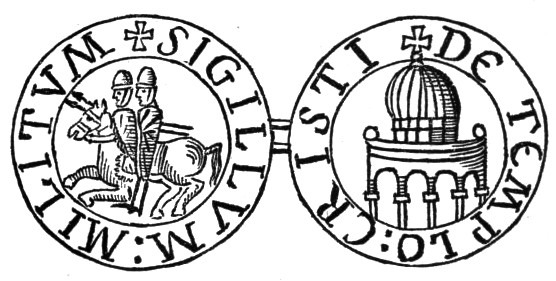
The Knights Templar are one of the most legendary and intriguing groups in history. They are often surrounded by tales of bravery, mystery, and, of course, their sacred mission. Founded in the early 12th century, the Templars were originally established to protect Christian pilgrims traveling to the Holy Land during the Crusades.
Over time, they grew into a powerful and wealthy military order, playing a significant role in medieval European history. But beyond their military exploits, the Knights Templar also carried a deep spiritual significance, reflected in their use of symbolism—particularly the sword.
For the Knights Templar, the sword was a powerful symbol of their divine mission. Templar ceremonies often featured swords prominently, with these weapons representing the knight’s commitment to their sacred duties. During a Templar initiation, a new knight might receive a sword as part of the ceremony, symbolizing their entry into a life of service to God and the protection of the Christian faith. The sword was seen as a physical extension of the knight’s divine purpose, a tool to carry out God’s will on Earth.
But the symbolism of the Templar sword goes even deeper. The sword represented justice, honor, and spiritual authority to the Knights Templar. These were men who took vows of poverty, chastity, and obedience, dedicating their lives to a higher calling. The sword was a reminder of these vows.
The spiritual authority of the Templar sword is another key aspect of its symbolism. The Templars believed that their swords were not just instruments of war, but sacred objects blessed by God. This belief gave the sword an almost holy significance, representing the Templar’s role as God’s warriors on Earth. In battle, the Templars were feared for their courage and discipline, but they also saw themselves as defenders of the Christian faith, with their swords serving as the instruments of divine justice.
4. The Rosicrucians
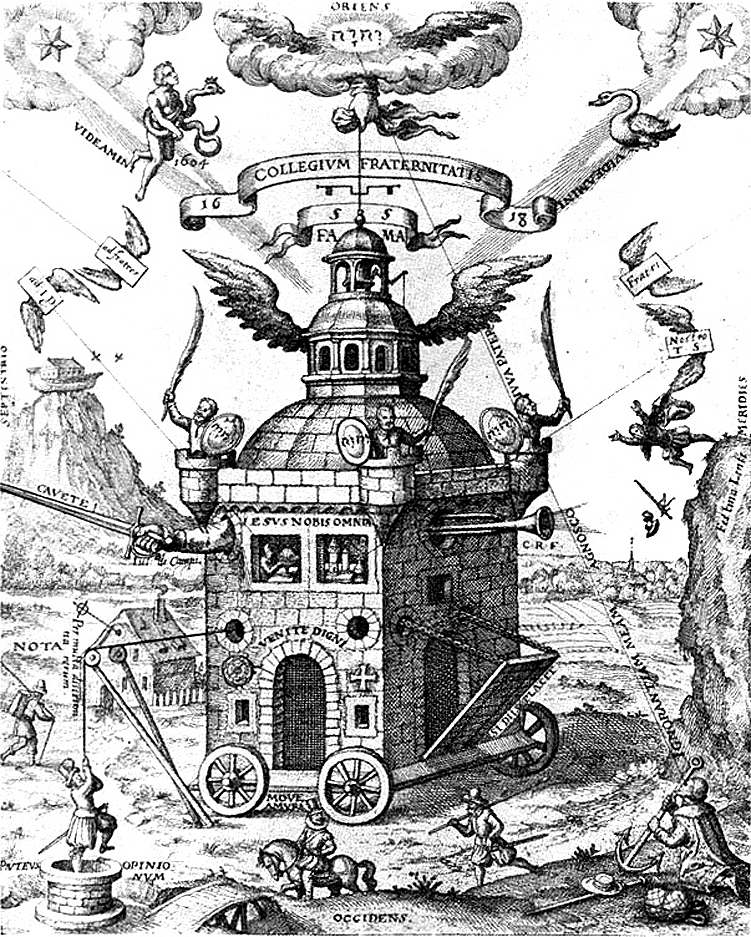
The Rosicrucians are another secretive group with a rich history and a deep connection to mystical and spiritual traditions. The origins of the Rosicrucian Order can be traced back to the early 17th century, though some believe the group’s roots go even further back. The Rosicrucians are often associated with the pursuit of esoteric knowledge, combining elements of alchemy, mysticism, and the occult in their teachings. At the heart of their philosophy is the belief in spiritual enlightenment and the transformation of the individual through the pursuit of hidden truths.
In Rosicrucian rituals and teachings, the sword holds a special place. Much like in other secret societies, the sword in the Rosicrucian Order is not just a weapon but a powerful symbol with deep spiritual significance. One of the key roles of the sword in Rosicrucian practice is as a tool for spiritual enlightenment. It’s seen as a symbol of the seeker’s journey, cutting through the illusions of the material world to uncover deeper spiritual truths. The sword represents the clarity of mind and purpose needed to navigate the often complex and mysterious paths of spiritual awakening.
However, in Rosicrucian tradition, the sword is also a symbol of protection. It’s believed to guard against negative influences and to protect the seeker as they delve into the unknown. In this context, the sword is also a shield that safeguards the individual’s spiritual journey.
Swords in Modern Secret Societies
Continuation of Symbolism
Even in today’s world, where technology and digital communication dominate, the sword’s symbolism has not faded away. Modern secret societies, though often more discreet than their historical counterparts, continue to embrace the rich symbolism that swords offer. The sword remains a powerful emblem, representing the same ideals of power, protection, and moral responsibility that it did centuries ago.
In these modern groups, the sword often appears in rituals and ceremonies, just as it did in the past. It serves as a reminder of society’s connection to tradition and the timeless values that swords symbolize. The physical presence of a sword during a ceremony can evoke a sense of continuity, linking present-day members with their historical predecessors. It says, “We may live in a digital age, but the principles we stand for are as old as time.”
The sword’s symbolism has also evolved to fit the digital age. Today, the sword might not always be a literal weapon but rather a metaphorical one. The sword symbolizes precision and clarity, cutting through the noise of the digital world to reveal the truth. It’s about maintaining the same focus and discipline that swords have always represented but applying it in new, modern contexts.
Pop Culture Influence
The allure of secret societies, with their mysterious rituals and powerful symbols, has made its way into popular culture in a big way. Movies, books, and games often depict these secretive groups, and the sword frequently plays a starring role. In many of these portrayals, the sword is romanticized as a symbol of hidden power, authority, and the age-old battle between good and evil.
Think about some of the most popular movies or books involving secret societies. There’s often a scene where a sword is drawn, representing the character’s acceptance of a secret mission or their role in a larger, hidden world. This portrayal taps into the timeless symbolism of the sword as an object of power and mystery, which can unlock hidden truths or protect against unseen dangers.
In video games, swords are often imbued with special powers, representing the character’s growth and strength. Players might seek out legendary swords as part of their journey, symbolizing the quest for knowledge, power, or justice. This reflects the same themes we see in real-world secret societies—where the sword is a tool for physical and spiritual battles.
In both modern secret societies and pop culture, the sword continues to be a potent symbol, bridging the gap between ancient traditions and contemporary life. It reminds us that, even in our fast-paced, technology-driven world, some symbols never lose their power.
Conclusion
Swords have always been symbols of power, honor, and protection across history, besides being used as a weapon. Even in the secretive world of modern societies, swords continue to represent these timeless ideals. Even in modern times, the sword remains a powerful emblem of these groups’ values. It’s fascinating to see how a symbol as ancient as the sword still resonates today, connecting the past with the present in ways that remind us of the enduring power of tradition and the human quest for meaning.