

“It is not the critic who counts…” With these words, Theodore Roosevelt delivered one of the most enduring messages on courage, resilience, and public engagement. His 1910 speech at the Sorbonne in Paris, commonly known as “The Man in the Arena,” continues to inspire individuals to embrace effort and responsibility over comfort and criticism.
More than a motivational soundbite, Roosevelt’s words form a profound reflection on the role of character, action, and leadership in shaping both the individual and the republic. This article explores the deeper meaning and historical impact of this iconic speech.
Key Takeaways
- The speech was delivered at the Sorbonne on April 23, 1910, during Roosevelt’s European tour, and emphasized civic duty, individual effort, and moral character.
- Roosevelt’s core message highlights that true honor lies in striving valiantly, regardless of success or failure—credit belongs to those who act, not those who criticize.
- He championed character and virtue over intellect alone, asserting that ethical behavior and personal responsibility are essential to sustaining democracy.
- Roosevelt warned against sensationalist journalism and advocated for integrity in both leadership and public discourse.
- The speech remains widely quoted and culturally relevant, resonating in modern discussions about leadership, resilience, and civic engagement.
The Historical Context of Roosevelt’s Speech
Though widely celebrated for its stirring call to action, The Man in the Arena gains deeper meaning when viewed through its historical lens. Delivered on April 23, 1910, at the Sorbonne in Paris, the speech was part of Roosevelt’s European tour after his presidency. It came during a period of growing dissatisfaction with the Taft administration, and Roosevelt used this opportunity to express his enduring political philosophy.
Speaking before one of Europe’s most respected academic audiences, Roosevelt addressed the responsibilities of citizenship in the modern age. He warned of apathy and cynicism in public life, calling instead for engaged, morally grounded action. His words celebrated the rugged individualism shaped by America’s frontier past, while also recognizing the complexities of modern industrial society.
This vision would go on to influence Franklin Delano Roosevelt, a distant cousin, whose later leadership—particularly during the New Deal era—echoed Theodore Roosevelt’s commitment to progressive reforms and conservation.
The Importance of Character and Virtue
At its core, Roosevelt’s speech champions resilience, courage, and a willingness to face adversity. He contends that honor belongs not to the critic, but to “the man who is actually in the arena”—the individual who strives valiantly, whether they succeed or fail. This philosophy reflects Roosevelt’s belief that moral worth lies in effort, not outcome.
The message aligns closely with the personal ethos Roosevelt demonstrated throughout his career. From his military service to his aggressive pursuit of trust-busting and domestic policy reforms, he embraced challenge and confrontation as tools of civic improvement. Roosevelt’s presidency was defined by action—especially in areas like labor rights, food safety, and environmental conservation.
His speech serves as a timeless reminder that true greatness is found not in perfection, but in perseverance. For Roosevelt, the measure of success was not in avoiding failure, but in daring to strive in service of a greater good.
The Role of Education and Citizenship
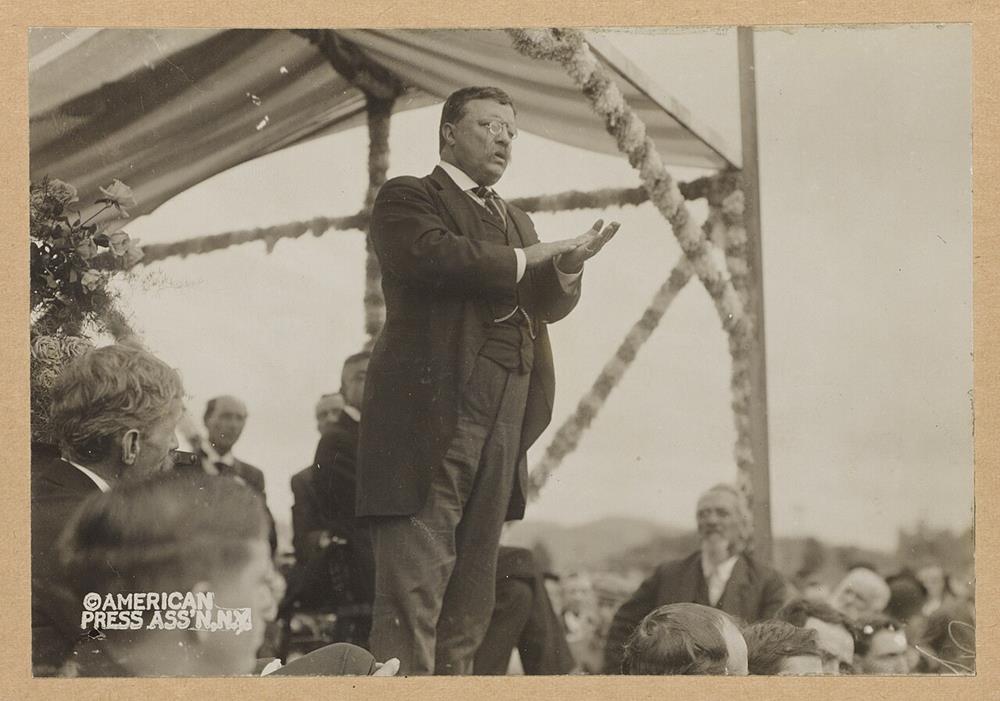
Roosevelt viewed education and citizenship as twin pillars essential to a thriving democracy. In his speech, he stressed that it is not enough to cultivate knowledge—citizens must also develop moral responsibility and civic commitment. A nation could not prosper if its citizens were disengaged, self-interested, or morally adrift.
He believed that civic virtue begins in the family, where individuals are first introduced to shared responsibilities and communal ideals. From there, active participation in public life becomes a duty. Citizens must be prepared to accept challenges, resist cynicism, and contribute to the democratic process with integrity and purpose.
This belief in proactive citizenship also informed Roosevelt’s Big Stick Policy , which emphasized a balance between diplomatic negotiation and a strong, principled show of force. Just as nations needed to act decisively on the world stage, individuals needed to do the same within their communities.
Roosevelt’s Vision for Leadership and Journalism
Roosevelt held leadership to a high moral standard. In The Man in the Arena, he argued that those in power—especially those with privilege or special advantages—have a moral obligation to act as ethical role models. True leadership, in his view, required empathy, integrity, and a deep connection with the needs of the public.
He also took aim at the press, warning of the damage caused by sensationalism and irresponsible journalism. While acknowledging the importance of a free press, Roosevelt condemned those who used their platforms to tear down rather than uplift, insisting that the pursuit of profit could never justify the erosion of truth.
This dual emphasis on responsible leadership and principled journalism was vital to Roosevelt’s broader message: a republic demands not just engagement, but ethical engagement, from both its leaders and its citizens.
The Enduring Impact and Relevance of Roosevelt’s Message
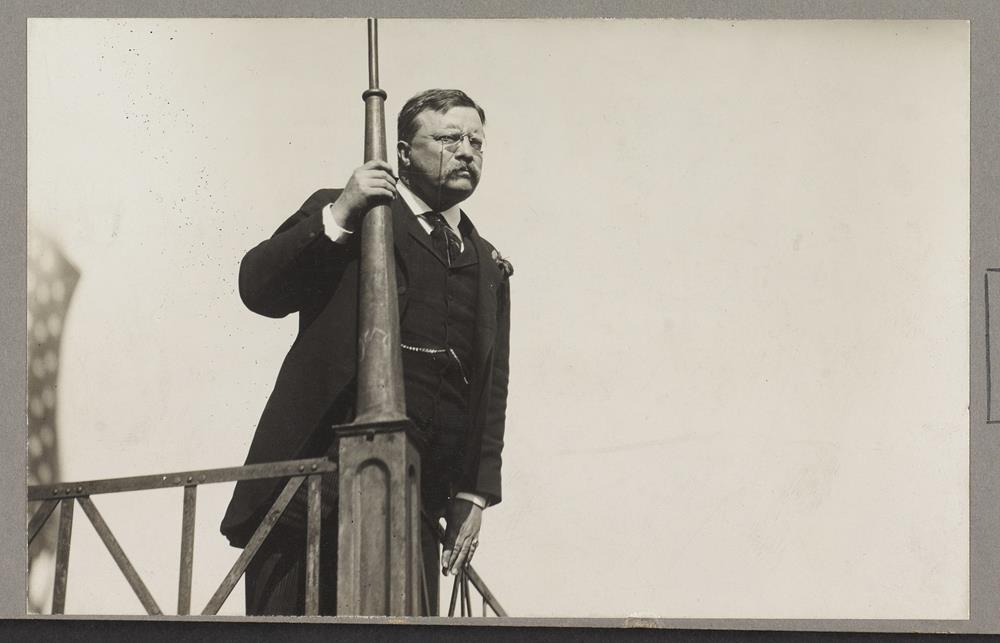
Over a century later, The Man in the Arena remains one of the most quoted and revered passages in American political rhetoric. Its appeal lies in its universal message: true honor lies in the attempt, in stepping forward despite the risk of failure. Roosevelt’s call for resilience, responsibility, and courage continues to resonate in a world still grappling with apathy, inequality, and cynicism.
The speech’s emphasis on personal growth, civic duty, and moral courage finds renewed relevance in contemporary conversations about leadership and public life. Whether invoked in politics, sports, business, or personal reflection, the phrase “the man in the arena” inspires those willing to try, fail, and try again.
By celebrating those who strive—and challenging those who merely observe—Roosevelt delivered a timeless reminder that progress, both personal and national, is forged not in comfort, but in courageous action.