

Alice Roosevelt, the eldest daughter of President Theodore Roosevelt, emerged as one of the most unconventional and influential women of the early 20th century. Born into privilege in 1884, she defied societal expectations with her rebellious spirit, sharp wit, and unapologetic independence.
As a prominent social figure and political insider, she captivated the nation with her bold lifestyle—smoking in public, wearing daring fashion, and keeping a pet snake—all while navigating the highest circles of Washington society. Far from a passive first daughter, Alice carved out her own legacy, challenging traditional gender roles and leaving an indelible mark on American cultural and political life.
Key Takeaways
- Redefined Womanhood: Alice Roosevelt broke societal norms through her bold fashion, public smoking, and outspoken nature, challenging traditional expectations of women in the early 20th century.
- Media Sensation: As the daughter of President Theodore Roosevelt, she captivated the nation with her charisma, eccentricity, and high-profile public life—earning the nickname “Princess Alice.”
- Political Influence: Though unofficial, she played a significant role in political circles, supporting her father’s Bull Moose campaign and maintaining ties with key figures like the Kennedys and Nixons.
- Not a Suffragist: Despite her independence, Alice did not support women’s suffrage, preferring to exert influence through social power rather than political activism.
- Enduring Legacy: With her sharp wit, public defiance of convention, and long-standing influence in Washington, she helped reshape American views on femininity, power, and independence.
Early Life and Family Background
Born on February 12, 1884, Alice Roosevelt experienced tragedy early, losing her mother, Alice Hathaway Lee, just two days later. Her father, Theodore Roosevelt, devastated by the loss, withdrew emotionally, leaving Alice to be raised primarily by her Aunt Anna. Her relationship with her stepmother, Edith Kermit Carow, was tense, complicated by Edith’s disparagement of Alice’s late mother.
From a young age, Alice displayed a fierce independence. When threatened with being sent to a conservative school, she boldly vowed to publicly embarrass her father. This defiant spirit defined her early life and signaled the emergence of a woman who would challenge societal norms and carve her own path in the public sphere.
Like Jimmy Carter’s upbringing, Alice’s childhood experiences played a significant role in shaping her future persona and outlook on life.
The Birth of a Public Icon
When Theodore Roosevelt became president in 1901, Alice Roosevelt quickly captured national attention, redefining the role of the presidential daughter. Her social debut in 1902 marked the emergence of a new kind of public figure—stylish, outspoken, and unapologetically unconventional.
Alice’s flair for the dramatic, including her signature “Alice Blue” gowns, made her a fashion trendsetter and media darling. With every public appearance covered by the press, she became an early symbol of American celebrity culture.
Her rebellious behavior—smoking cigarettes, attending late-night parties, and famously keeping a pet snake named Emily Spinach—challenged the conservative expectations of women in public life. Alice didn’t just reflect the changing times; she actively shaped them, becoming a cultural icon of independence and modern womanhood.
Her unconventional lifestyle and outspoken personality reshaped perceptions of women’s roles, paving the way for future generations of women leaders. Roosevelt’s presidency was notable for enacting legislation that protected natural resources and addressed social programs, leaving a lasting legacy on American society.
Breaking Societal Norms
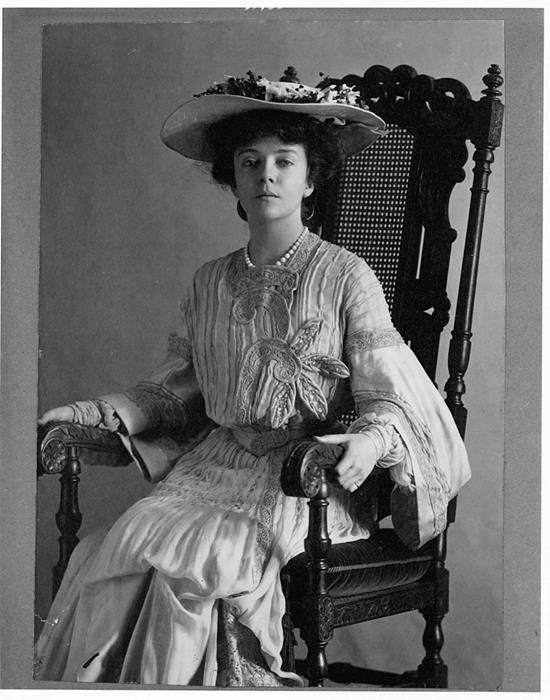
Alice Roosevelt Longworth’s status as a public figure gave her a powerful platform to challenge the rigid expectations placed on women of her era. Known for her bold defiance, she once climbed onto the White House roof to smoke a cigarette in protest, openly rejecting her father’s wishes. Her pet snake, Emily Spinach, became a symbol of her eccentricity and her refusal to conform to traditional notions of femininity.
Nicknamed “Princess Alice,” she turned social events into stages for rebellion—staying out late, speaking her mind, and captivating the press with her every move. Her early resistance to attending a conservative boarding school, where she threatened to embarrass her father publicly, further underscored her independent spirit.
The Political Influence of a First Daughter
Though she held no official title, Alice Roosevelt played a notable role in American political life. As a young woman, she served as an informal confidante to her father, President Theodore Roosevelt, and publicly supported his 1912 Bull Moose campaign, even as it strained family relations due to her husband’s alignment with the opposing Republican faction.
Through her presence at over 1,000 social events, Alice cultivated relationships with influential political figures, using charm, wit, and visibility to exert behind-the-scenes influence.
Her connections extended well beyond her father’s presidency, maintaining ties with powerful families such as the Kennedys and Nixons, and offering commentary that often bridged party lines. Alice’s enduring influence stemmed not from formal positions, but from her ability to shape political narratives through personality, persuasion, and strategic presence.
Her father’s progressive ideals during his presidency also influenced her approach to politics and reform. Likewise, when he was awarded the Nobel Peace Prize in 1906 for his role in mediating the Treaty of Portsmouth, it only showcased his diplomatic prowess and further elevated the Roosevelt family’s prominence, including that of Alice’s influence.
A Marriage in the Public Eye
Alice Roosevelt’s marriage to Nicholas Longworth III in 1906 was a highly publicized affair, held at the White House and celebrated nationwide. The wedding reflected her signature flair—most famously when she cut the cake with a military sword, a symbolic gesture that underscored her rebellious spirit and disregard for convention.
As a prominent couple in Washington, their marriage was frequently scrutinized and emblematic of the shifting expectations surrounding early 20th-century American womanhood. Both Alice and Nicholas were known for their extramarital affairs, with Alice’s rumored relationship with Senator William Borah attracting particular attention.
Despite its personal complexities, their union became a strategic platform for Alice’s continued political influence. Though not a formal adviser, she used her social standing, sharp intellect, and network of connections to shape political conversations and remain an influential force in Washington’s elite circles for decades.
A Legacy of Wit and Influence
Health Challenges and Resilience
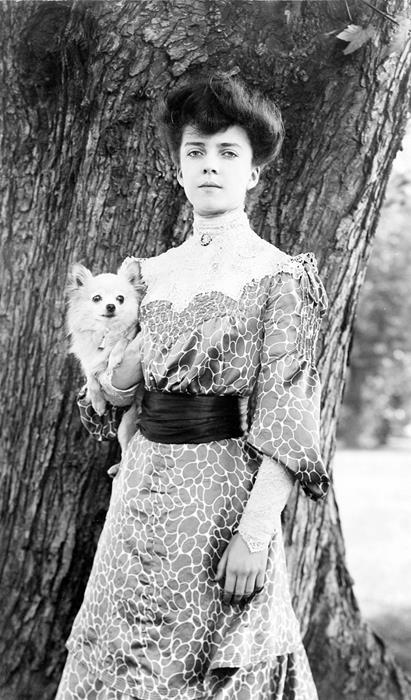
Throughout her long life, Alice Roosevelt demonstrated remarkable resilience in the face of serious health challenges. After suffering a broken hip in 1955, she was diagnosed with breast cancer the following year and underwent a mastectomy—a courageous decision at a time when such procedures were rarely discussed publicly.
Her strength was tested again in 1970, when she faced a second bout with cancer and underwent another mastectomy. Despite these setbacks, Alice remained active in Washington society, attending events and maintaining her signature wit and charm. In a testament to her enduring spirit and deep connection to her family’s legacy, she christened the USS Theodore Roosevelt submarine in 1959.
In her final years, Alice battled emphysema and pneumonia, but her influence never waned. She passed away on February 20, 1980, just days after her 96th birthday, leaving behind a legacy of courage, candor, and a life lived entirely on her own terms.
Lasting Impact on American Society
Alice Roosevelt’s influence on American society was as enduring as it was unconventional. Her defiance of traditional gender roles challenged expectations and helped redefine modern womanhood. Through her visibility in political and social spheres, she reshaped the image of what a woman in power could look like: unapologetic, sharp-witted, and wholly independent.
Though she never held office, Alice used her position, charisma, and connections to change political discourse and inspire future generations of women to engage in public life. Her life embodied the contradictions of her time—aristocratic yet rebellious, traditional in form yet radical in spirit.
Alice Roosevelt is remembered not only for her proximity to power but for how she wielded her own. Her legacy endures as a testament to the lasting power of wit, individuality, and fearless authenticity in shaping cultural and political history.