

Built during the Spanish era, Gregory the Great Parish Church has witnessed generations of faithful believers, cultural transformations, and historic events that shaped its surrounding community. Its grand stone façade, intricate architectural details, and enduring legacy make it more than just a place of worship—it is a historical and cultural treasure.
Historical Background and Significance
Although the Saint Gregory the Great Parish Church is a relatively modern establishment, it’s rooted in a rich historical context. Founded in December 1960, the Church was named after Pope Gregory the Great, a transformative leader in the Catholic Church.
This parish was created to alleviate overcrowding at the Church of the Assumption, with its initial services held in a gymnasium. By 1963, the Church and parish hall were completed, followed by the rectory in 1966.
St Gregory the Great Parish Church is renowned for its dedication to serving a diverse community, including introducing Spanish Mass. After being affected by Hurricane Harvey in 2017, the Church has played an essential role in community recovery and support, reinforcing its lasting significance.
Architectural Marvels
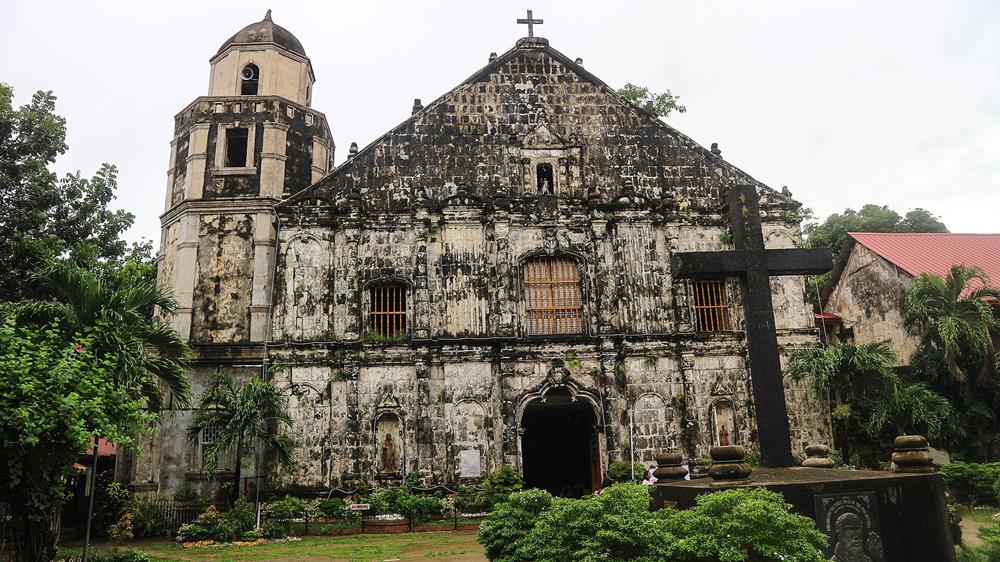
As you step into the architectural domain of St. Gregory the Great Parish Church, you’re instantly captivated by its Romanesque style. The church spans 60 meters in length, 17 meters in width, and 16.5 meters in height, showcasing its grandeur.
Constructed over three years, it features a striking façade with three distinct levels. The triangular pediment and circular window are indicators of its historical significance. Each detail adds to the church’s architectural marvels, preserving the past within its walls.
The Role of the Augustinians

The Augustinians have left an indelible mark on the Philippines, especially in towns like Majayjay. Arriving in 1577, they didn’t just introduce Catholicism but firmly established it by building the initial church in 1575. Their dedication to faith and community is evident in the stone church authorized in 1599, completed in 1649 after many reconstructions.
Beyond architecture, the Augustinians focused on education and community. They founded the Liceo de Majayjay, a reflection of their educational vision, which operates under the parish and Diocesan Catholic School System. Their presence en el Philippines also enhanced local industries, nurturing a lively community life. Their legacy de la commitment to faith and society continues to shape Majayjay today.
The Church’s Journey Through Time
While the Augustinians laid the foundation of faith and community in Majayjay, the expedition of the St. Gregory the Great Parish Church began in December 1960, led by Bishop Wendelin Nold.
The church’s progression through time showcases a tapestry of community milestones and faith evolution. By 1963, the parish hall and C.C.D. building were completed, marking significant growth, followed by the rectory in 1966.
As the Spanish Mass was introduced, the church welcomed cultural diversity, reflecting its dynamic congregation.
Restoration and Preservation Efforts
Despite the challenges of maintaining a historic structure, restoration efforts at Saint Gregory the Great Parish Church are in full swing, aiming to address critical repairs like plumbing replacement, insulation, and sheetrock installation.
These restoration challenges highlight the need for careful planning and execution to preserve the church’s architectural beauty. You can play an important role in these efforts through volunteer opportunities that foster community involvement and collaboration.
The project’s success largely depends on effective funding strategies. With a target of $15,800, your support is fundamental to cover the extensive repairs needed to maintain this National Cultural Gem.
Cultural and Religious Influence
Recognized for its profound cultural and religious influence, Saint Gregory the Great Parish Church stands as a witness to the enduring legacy of early Catholicism in the region.
This church is more than just a historical structure; it’s a lively hub where cultural rituals and religious festivals come alive, reinforcing the community’s identity. For centuries, it has hosted countless gatherings, weaving spirituality into daily life and fostering a deep sense of belonging among locals.
The Convent and Its Treasures
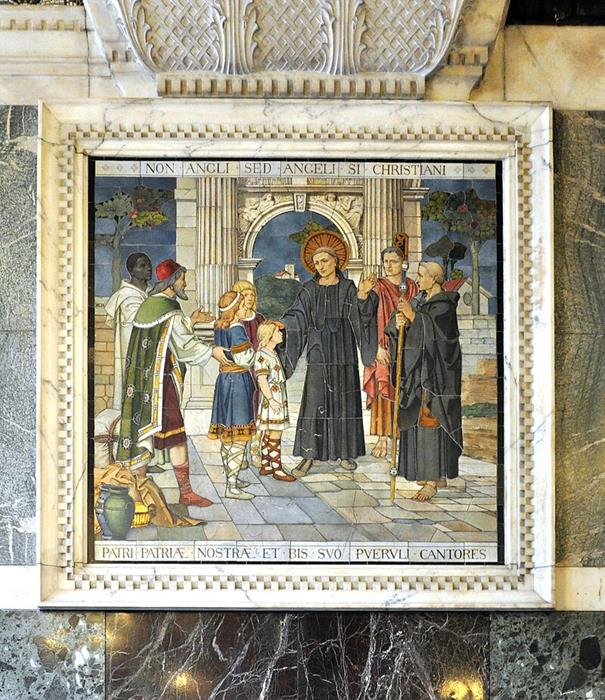
Situated within the heart of Saint Gregory the Great Parish, the convent stands as a remarkable tribute to ecclesiastical architecture in the Philippines.
You’ll uncover its well-preserved beauty and historical significance through its stunning view of Laguna de Bay. The convent houses a small museum where convent artifacts like old parish documents and ecclesiastical silver enrich your understanding of the parish’s rich heritage.
Part of the convent has evolved into Liceo de Majayjay, a Catholic school offering educational programs under parish supervision. It’s more than just a building; it’s a hub for community events and engagement, focusing on religious education and spiritual administration.
Antique images of santos and century-old liturgical objects reflect a fusion of history and spirituality.
The Chapel of Nuestra Señora De La Porteria
The Chapel of Nuestra Señora De La Porteria stands as a tribute to the rich tapestry of history and faith woven into the community’s fabric.
Originally a tribunal, its chapel significance blossomed in 1759 when Spanish missionaries introduced the revered image of Nuestra Señora de la Porteria. By 1760, it was enshrined in the former court building, marking the site as a lighthouse of cultural heritage and religious devotion.
Community Engagement and Outreach
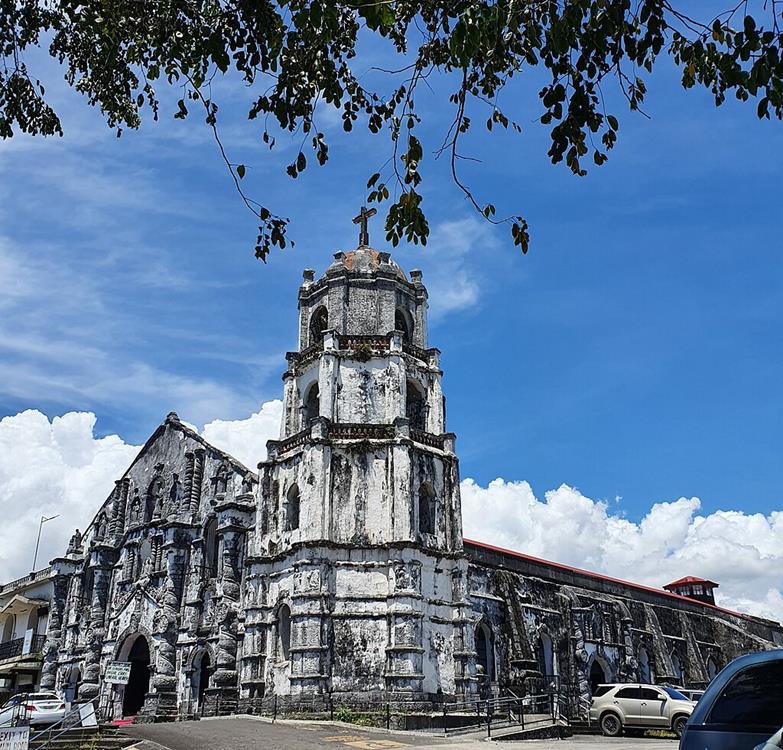
As you appreciate the historical depth of the Chapel of Nuestra Señora De La Porteria, you’ll find that the spirit of community engagement breathes life into these hallowed grounds.
St. Gregory the Great Parish thrives on community service and parish involvement, urging everyone to contribute to church repairs. You can investigate volunteer opportunities by reaching out to the parish office at (713) 631-3681. Regardless of your skills in plumbing, insulation, sheetrock, tile, cabinets, or countertops, your contribution is essential. The church is a guiding light of resilience, evident in its recovery efforts from Hurricane Harvey.
Events like the 2019 Bazaar foster unity and support local initiatives, reinforcing the multicultural fabric woven through faith and collaboration among dedicated parishioners.
Legacy of Saint Gregory the Great
While the Chapel of Nuestra Señora De La Porteria enriches your understanding of community spirit, the Legacy of Saint Gregory the Great offers a glimpse into a profound historical narrative.
Saint Gregory Parish Church, built in the 16th century, stands as a symbol of the Great Legacy of early Catholicism. The church’s Romanesque architecture, with its five-storey belltower and intricate façade, highlights its historical influence and spiritual heritage.
Recognized as a National Cultural Gem in 2001 and designated as a Minor Basilica by Pope Francis in 2025, this site remains a guiding light of faith.
Final Thoughts
Saint Gregory the Great Parish Church continues to be a cornerstone of faith, history, and community. Its Spanish-era architecture, deep-rooted traditions, and remarkable resilience make it a site worth experiencing. As it stands today, the church represents both the strength of its people and the importance of preserving historical landmarks.