

For most of American history, the vice presidency has been seen as a “spare tire”—important only when absolutely necessary. In the beginning, the role was mostly ceremonial, designed to provide a backup in case something happened to the president. But over time, the vice presidency has transformed into a crucial executive role, with vice presidents now actively shaping policy and standing beside presidents as key advisors. Let’s dive into this fascinating evolution, exploring how and why the role of vice president went from afterthought to essential.
Starting Out as Mostly Ceremonial
In the beginning, the U.S. Constitution gave very little guidance on what the vice president should actually do. This lack of direction meant that early vice presidents often felt like they were in an awkward limbo—present but not really necessary. They had only one major duty: preside over the Senate and cast a vote if there was a tie. And that was it. Beyond this, the role was mostly ceremonial, often involving representing the U.S. at events or standing in for the president in very limited ways.
John Adams, the nation’s first vice president, famously called it “the most insignificant office that ever the invention of man contrived.” He wasn’t alone in feeling frustrated. Early vice presidents were basically “spare parts,” around just in case but rarely invited to be part of actual decision-making. In fact, many of them found the role downright dull and pointless.
During this period, the vice presidency was also a bit of a “second place” prize. Often, presidential candidates would end up with their rivals as their vice presidents because of how electoral votes worked. Imagine how strange it was to have the runner-up as your backup—sometimes even your opponent! This setup was impractical and often uncomfortable, which is where our first big turning point comes in.
How the 12th Amendment Changed Things
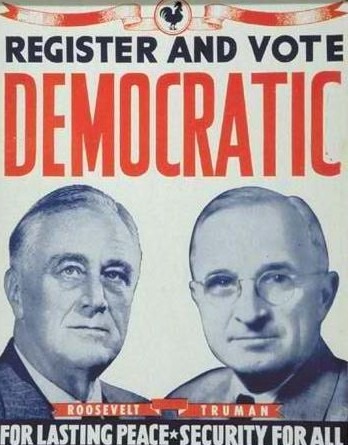
In 1804, everything changed with the 12th Amendment. Before this amendment, the person with the second-highest number of electoral votes became vice president, regardless of political alignment. As you can imagine, this led to some odd pairings, and not in a good way. The 12th Amendment corrected this by establishing separate ballots for the president and vice president. This change let candidates run as a team, ensuring that the vice president shared the same vision and goals as the president.
This was a game-changer. Instead of potentially being at odds with the president, the vice president was now expected to be a partner, even if only in theory at first. The amendment started a slow shift, creating a foundation for vice presidents to work more closely with presidents rather than remaining in the shadows. Though the role was still largely ceremonial, the stage was set for future vice presidents to step into more influential positions.
Historical Turning Points in the Role
For much of the 19th century, the vice presidency remained largely the same, but things began to change as the nation moved into the 20th century. The country was growing, facing new global challenges, and expanding the powers of the federal government. Presidents were beginning to see the value of having a trusted partner in the executive branch, someone who could take on specific responsibilities and act as an adviser.
A major shift occurred in the mid-20th century when vice presidents were invited to attend Cabinet meetings and even participate in national security discussions. Franklin D. Roosevelt and Harry Truman are notable for bringing vice presidents closer to the action, giving them insight into military and international affairs during World War II. By involving the vice president in critical conversations, they were breaking down the ceremonial walls that had long kept the vice presidency sidelined.
Notable Vice Presidents Who Made a Difference
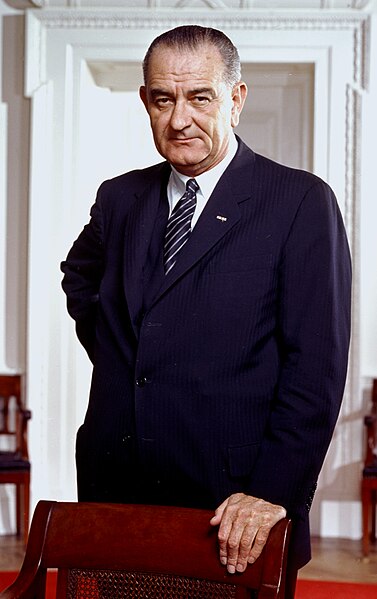
Some vice presidents have left a significant mark on the office, showing that the role could be much more than ceremonial. Let’s look at a few who stand out:
- Lyndon B. Johnson: Before becoming president, Johnson was vice president under John F. Kennedy. Johnson had an impressive track record as a former Senate Majority Leader, which gave him a unique understanding of Congress. His expertise and connections were incredibly valuable to Kennedy, especially when navigating complex legislative matters. Johnson’s transition from vice president to president further demonstrated how influential a vice president could be, especially when equipped with knowledge and ambition.
- Al Gore: Under President Bill Clinton, Gore took on significant responsibilities, particularly in environmental and technological policy. Gore’s advocacy for climate awareness and his push for the “Information Superhighway” showed how a vice president could bring new issues into the national spotlight. His work demonstrated that vice presidents could shape policy beyond the scope of their direct authority, influencing American priorities on major global issues.
- Dick Cheney: Perhaps one of the most powerful modern vice presidents, Cheney redefined the role during George W. Bush’s administration. With his extensive background in defense and government, Cheney took on responsibilities that traditionally fell to the president, particularly in national security. His influence in the early 2000s exemplifies how the vice presidency can be adapted to serve the administration’s needs, becoming an extension of presidential power.
Taking on New Responsibilities
The role of the vice president has now grown far beyond ceremonial duties. Today, the vice president is expected to be deeply involved in the administration, often taking charge of specific areas or initiatives. For example, vice presidents might lead efforts on health care reform, environmental policies, or diplomatic missions, depending on their expertise and the administration’s needs.
In recent decades, vice presidents have increasingly served as liaisons between the president and Congress. They negotiate, advocate for policies, and ensure that the administration’s agenda makes headway through the legislative process. This isn’t just about being the president’s backup; it’s about being their partner in action.
Vice presidents also take on special projects. Think of it as having a portfolio of issues they can champion. For example, Joe Biden took on responsibilities related to foreign policy under President Obama, focusing on Ukraine and other international issues. This kind of division of labor allows the vice president to tackle important tasks without overlapping with the president’s work, enhancing the administration’s overall effectiveness.
The Vice President’s Role Today
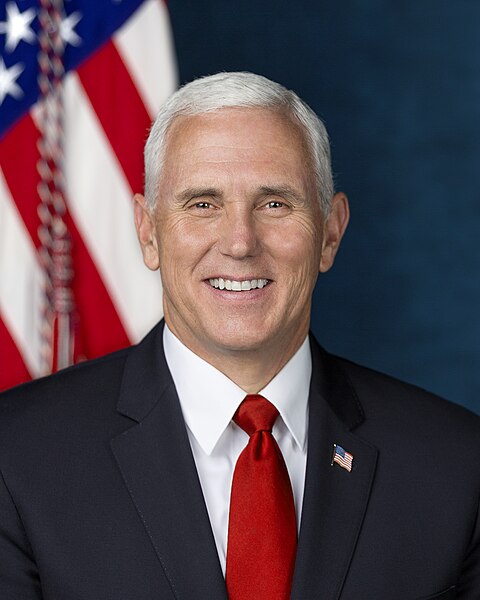
Today’s vice presidents are often treated as executive partners to the president. They participate in critical discussions on national security, economic policy, and international relations. By acting as advisors and advocates for specific causes, they can help drive the administration’s goals forward, acting almost as an extension of the president’s reach.
When crises arise, vice presidents often play essential roles in managing the response. During the COVID-19 pandemic, for instance, then-Vice President Mike Pence led the White House’s response team, showcasing how the vice president can step into leadership roles in moments of national urgency.
This modern version of the vice presidency is light years away from its beginnings. Vice presidents are now central players in shaping both domestic and foreign policy, and they often serve as important voices for the administration’s priorities. Today’s vice presidents don’t just wait in the wings; they’re in the room where it happens, contributing to decisions that impact the entire country.
Conclusion
The evolution of the vice presidency from a ceremonial backup role to a key executive position reflects broader changes in American governance. What started as an office with vague duties and limited power has become a vital part of the White House’s inner circle. Today’s vice presidents are active, influential, and deeply involved in shaping the direction of the nation.
Looking ahead, it’s likely that the role will continue to evolve. With each new administration, vice presidents may find new ways to contribute, new issues to champion, and new responsibilities to shoulder. As the demands on the executive branch grow, the vice presidency is likely to keep growing too. From “spare tire” to essential partner, the vice presidency has come a long way—and its story is still unfolding.