

Royal coronation ceremonies have always been grand and significant events. They mark the official moment when a monarch is crowned and recognized as the rightful ruler. These ceremonies are steeped in tradition and filled with rituals that symbolize the transfer of power and the responsibilities that come with it.
One of the most striking and symbolic elements of these ceremonies is the presence of swords. While it might seem unusual to some, swords play a crucial role in these rituals, representing more than just a weapon. Throughout history, swords have been seen as symbols of power, justice, and authority. In the context of a coronation, the sword embodies the monarch’s duty to protect the realm, uphold the law, and lead with strength and honor.
Historical Significance of Swords in Coronation Ceremonies
The use of swords in royal coronation ceremonies has roots that stretch back centuries, possibly even millennia. Swords have long been associated with power, authority, and the warrior class, so it’s no surprise that they became an integral part of ceremonies where these qualities were most celebrated—such as the coronation of a new monarch.
Origins of Using Swords in Royal Ceremonies
The origins of using swords in coronation ceremonies can be traced back to ancient times when kings and rulers were often also the military leaders of their people. In those days, the sword was not just a weapon but a symbol of the ruler’s ability to defend the kingdom and lead in battle. Presenting or wielding a sword during a coronation was a powerful gesture, signifying the ruler’s readiness to protect and serve the nation.
The sword took on additional meanings as kingdoms became more established and monarchies more formalized. It began to represent not only military might but also the broader responsibilities of kingship, such as maintaining justice and order. The sword, therefore, became a symbol of the monarch’s dual role as both a warrior and a just ruler.
The Evolution of This Tradition Over Time
As the centuries passed, the role of the sword in coronation ceremonies evolved. In medieval Europe, for example, the sword became one of the most important regalia pieces, often richly adorned with jewels and engravings. These swords were no longer just tools of war but were carefully crafted symbols of the monarchy’s divine right to rule. The presentation of the sword during the coronation became a highly ceremonial act, often involving high-ranking nobles or clergy who would bless the sword before it was handed to the new king or queen.
In some cultures, the sword took on additional layers of meaning. For instance, the sword is one of the three Imperial Regalia in Japan, symbolizing valor. During the enthronement of a Japanese emperor, the presentation of the sword is a key part of the ritual, connecting the new ruler to the ancient traditions of the imperial family.
Even in cultures where the monarchy’s power has diminished, the sword remains a significant part of coronation ceremonies. It has become a symbol of continuity, linking the present ruler to a long line of ancestors and the monarchy’s enduring traditions.
Notable Examples from Different Cultures
Across the world, various cultures have their own unique traditions involving swords in coronation ceremonies.
1. British Coronation Ceremony – The Sword of State

One of the most famous traditions in Europe involving swords in coronation ceremonies comes from Britain. The British coronation ceremony prominently features the Sword of State, which is carried before the monarch as a symbol of royal authority. This sword, one of the oldest regalia used in the ceremony, plays a central role in the proceedings. It emphasizes the monarch’s responsibility to govern with justice, reinforcing the idea that the power of the throne comes with the duty to lead with fairness and integrity.
2. French Coronation Ceremony – The Joyeuse
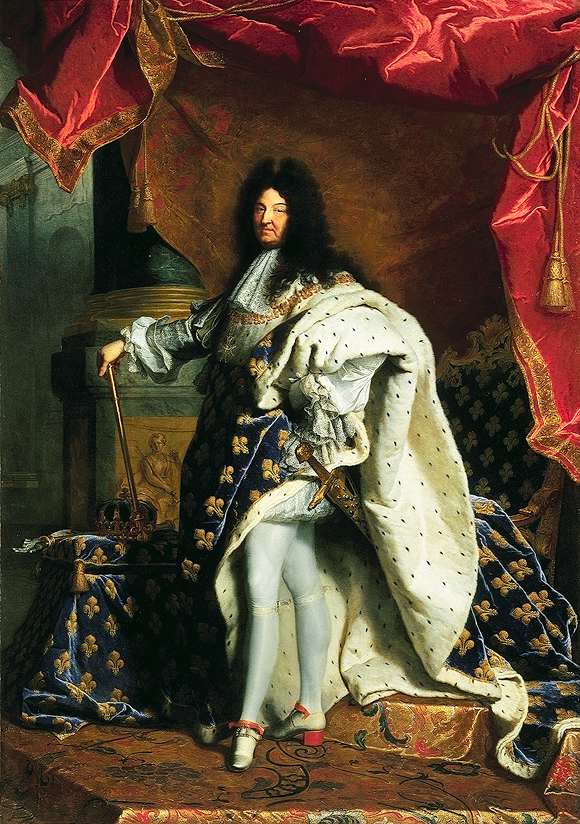
In France, the Joyeuse, the legendary sword of Charlemagne, was traditionally used in the coronation of French kings. Steeped in history and myth, Joyeuse was more than just a weapon; it symbolized the French monarchy’s continuity. By using this sword in coronation ceremonies, each new king was connected to the glories of the past, linking their reign to the powerful legacy of Charlemagne. The Joyeuse served as a tangible reminder of the enduring strength and heritage of the French crown.
3. Ottoman Empire Coronation Ceremony – The Sword of Osman

In the Middle East, swords also played a crucial role in coronation ceremonies. In the Ottoman Empire, for example, the Sword of Osman was used in the enthronement of sultans. This sword symbolized the sultan’s duty to protect Islam and expand the empire, highlighting the religious and military responsibilities of the ruler. The Sword of Osman was not just a ceremonial item; it represented the sultan’s commitment to safeguarding the faith and upholding the empire’s dominance.
4. Japanese Enthronement Ceremony – The Kusanagi-no-Tsurugi
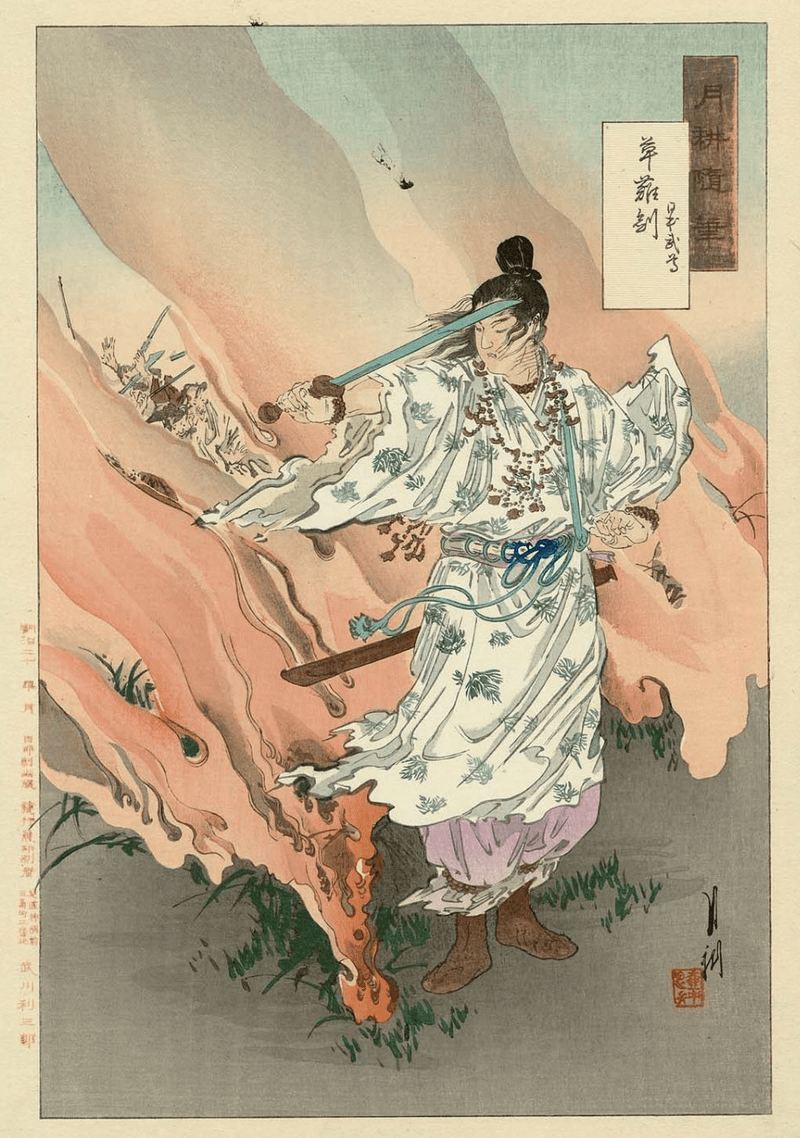
In Japan, the Kusanagi-no-Tsurugi is one of the three Imperial Regalia used in the enthronement of emperors. This sword symbolizes valor and is deeply rooted in Japanese mythology. Although the actual sword used today may not be the original Kusanagi, its presence in the ceremony connects the new emperor to the ancient traditions of the imperial family. The sword serves as a powerful emblem of the emperor’s divine right to rule and his role as the protector of the nation.
Key Swords in the British Coronation Ceremony
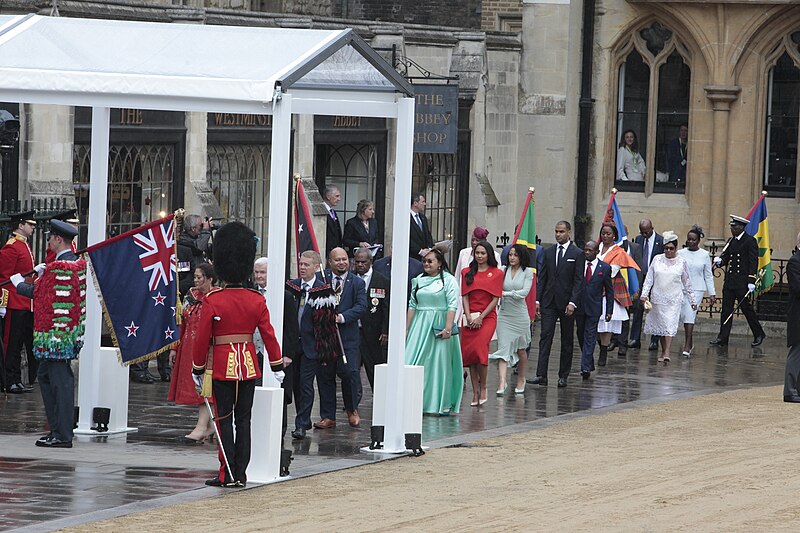
Let’s take a closer look at one of the most well-known monarchies in the world: the British monarchy. Millions of people around the globe watch British coronation ceremonies, and you might have noticed the prominent use of swords during these events. If you’ve ever watched a British coronation, you’ve likely seen how these swords play a significant role in the ceremony.
The British coronation ceremony prominently features five key swords, each symbolizing a distinct aspect of the monarch’s duties and responsibilities:
1. Sword of State
The Sword of State stands out among ceremonial swords as a symbol of the monarch’s royal authority and presence. First used at James II’s coronation in 1685, it has become an integral part of royal power and tradition. The Sword features a steel blade with a silver-gilt hilt, intricately designed and adorned with national emblems. Its scabbard, made of wood and covered in velvet, is decorated with the coat of arms of King William III, adding to its regal appearance.
During formal occasions like the State Opening of Parliament, the Sword of State is carried point upwards, visually asserting the monarch’s role as head of state and the armed forces. For King Charles III, this sword will be a crucial part of his coronation, continuing the traditions of his predecessors. The Sword of State remains a powerful symbol of the authority and legacy of the British crown.
2. Sword of Temporal Justice
The Sword of Temporal Justice represents the monarch’s role as the head of the Armed Forces, symbolizing their authority to maintain order and enforce the law. This sword dates back to the 1500s and was first used in King Charles I’s coronation in 1626. It is one of the three key swords in the coronation procession, each reflecting different facets of the monarch’s authority.
Before it is presented to the monarch, the Archbishop blesses the Sword of Temporal Justice, imbuing it with sacred significance that transcends its physical form. The sword’s intricate blade designs highlight its importance as a symbol of royal power. Holding this sword means embracing centuries of tradition and the solemn duty to lead and protect the realm as the head of the Armed Forces.
3. Sword of Spiritual Justice
The Sword of Spiritual Justice emphasizes the monarch’s role as Defender of the Faith, symbolizing their spiritual authority within the Church of England. This sword, another of the three ceremonial swords used during the coronation, dates back to King Charles I’s coronation in 1626.
During the coronation ceremony, the Sword of Spiritual Justice is presented to the monarch, embodying their duty to uphold spiritual governance and justice. The sword’s steel blade is adorned with historical designs that reinforce its significant role in the ceremony. This sword, along with the Jewelled Sword of Offering and the Sword of Temporal Justice, completes the ceremonial trio that underscores the monarch’s commitment to both temporal and spiritual duties.
4. Sword of Mercy (Curtana)

The Sword of Mercy, also known as Curtana, is distinct for its blunted tip, symbolizing the monarch’s duty to protect the innocent and exercise mercy. This unique feature underscores the balance between authority and compassion expected of a ruler. Curtana was first prominently featured during King Charles I’s coronation in 1626 and has since remained integral to subsequent coronation ceremonies.
Historically, the Sword of Mercy embodies the monarch’s role in administering justice, emphasizing a critical balance between asserting authority and showing clemency. Crafted from steel, the blade is adorned with national emblems such as roses, thistles, and shamrocks, enhancing its ceremonial significance. During the coronation, the Archbishop of Canterbury blesses Curtana, underlining its sacred role in royal tradition.
5. Sword of Offering
Following the presentation of Curtana, the Sword of Offering is introduced, emphasizing the monarch’s duty to uphold justice and protect the realm. This sword was first utilized during George IV’s coronation in 1821 and symbolizes the royal commitment to safeguarding good and punishing evil. The blade, crafted from blued and gilt steel, is adorned with national symbols such as roses, thistles, and shamrocks, along with intricate designs featuring Britannia and royal coats of arms.
The hilt of the Sword of Offering is a masterpiece made of gold and encrusted with diamonds, rubies, and an emerald moon, signifying the wealth and power of the monarchy. The scabbard, lined with red silk velvet, enhances its overall grandeur. During the coronation, the Sword of Offering is presented to the monarch after the anointing and after receiving a blessing from the Archbishop of Canterbury. This ritual underscores its significance in royal tradition, reinforcing the enduring nature of the monarchy’s authority and the sovereign’s moral responsibilities.
Symbolism of Swords in Coronations
Swords have long held a powerful place in human history, and nowhere is this more evident than in royal coronation ceremonies. The symbolism of swords in these events is rich and multifaceted, representing everything from power and authority to protection, defense, and the divine right of kings.
Representation of Power and Authority
At the heart of a coronation ceremony, the sword stands as a clear symbol of power and authority. When a monarch is crowned, they are not just taking on a title—they are assuming the responsibility of leading a nation. The sword, with its sharp blade and commanding presence, is a visual representation of this leadership. It embodies the strength and decisiveness that are essential qualities for a ruler.
During the ceremony, when the sword is handed to the monarch, it signifies the transfer of power. It’s a moment that highlights the gravity of the role the new ruler is about to undertake. The sword, often elaborately decorated and rich in history, reinforces the idea that the monarch is now the supreme authority in the land, charged with the responsibility of governance.
The Sword as a Symbol of Protection and Defense of the Realm
Beyond its representation of power, the sword also symbolizes the monarch’s role as the protector of the realm. Historically, kings and queens were not just figureheads—they were the defenders of their people. As a weapon of war, the sword symbolizes the monarch’s duty to protect the kingdom from external threats and maintain peace within its borders.
In coronation ceremonies, the sword serves as a reminder that the monarch’s power comes with the responsibility to safeguard the nation. This duty is not just about military might; it’s also about ensuring justice, maintaining order, and protecting the rights and well-being of the people. The presence of the sword in the ceremony underscores the idea that the monarch’s rule is meant to provide safety and security for all subjects.
Connection to Divine Right and the King’s Role as a Just Ruler
One of the most profound aspects of the sword’s symbolism in coronations is its connection to the concept of divine right. In many traditions, monarchs were believed to rule by the will of the gods or by divine mandate. The sword, often blessed or consecrated as part of the coronation ritual, becomes a symbol of this divine authority.
When the sword is presented to the monarch, it’s not just a symbol of earthly power—it’s a sign that the ruler is entrusted with a sacred duty. The monarch is expected to govern with strength, justice, and righteousness. The sword, therefore, also represents the king or queen’s role as a just ruler, someone who must balance the power of the throne with the wisdom and fairness expected of a divinely appointed leader.
Ceremonial Roles of the Sword
In a royal coronation ceremony, the sword is a central piece of the ritual, carrying with it a wealth of symbolic meaning and tradition. The sword plays several specific roles throughout the ceremony, each carefully choreographed to highlight the new monarch’s responsibilities and authority.
The Specific Roles of Swords During the Coronation Ceremony
The sword marks the key moments that emphasize the transfer of power and the duties of the monarch. One of the most significant roles the sword plays is during the moment it is presented to the monarch. This act represents the monarch’s assumption of power, authority, and responsibility.
The sword also plays a role in the act of swearing oaths. The monarch may touch the sword while taking oaths to uphold the laws of the land and to protect the people. This physical connection between the monarch and the sword during these oaths underscores the weight of the promises being made.
In some traditions, the sword is also used in a symbolic act of offering or sacrifice. The monarch may offer the sword to the altar, signifying their dedication to the realm and their willingness to defend it. This ritual act is a poignant reminder of the serious responsibilities that come with the crown.
How the Sword Is Used During the Ritual
The presentation of the sword is a carefully orchestrated moment in the coronation ceremony. The sword is typically carried in procession, often held aloft to symbolize the monarch’s role as protector and leader. This procession is a visual display of the sword’s importance and the respect it commands.
When the sword is presented to the monarch, it’s done with great ceremony. The sword is often passed through the hands of several high-ranking officials, each playing a part in this ritual act. When the sword reaches the monarch, it’s usually held with reverence, as the weight of the blade represents the weight of the responsibilities now resting on the monarch’s shoulders.
In some ceremonies, the monarch might perform a symbolic act with the sword, such as drawing it partially from its scabbard to signify readiness to defend the realm. In other instances, the sword may be laid on the altar, signifying the monarch’s submission to divine authority and their commitment to rule justly.
The Involvement of High-Ranking Officials
Handling the sword involves several high-ranking officials, each playing a vital role in the ceremony. These officials are often chosen for their close relationship with the crown or their position within the government or church.
One of the most important roles is that of the Lord Chamberlain or a similarly high-ranking noble, who may carry the sword during the procession. This person’s involvement highlights the importance of the sword and the respect it commands within the hierarchy of the monarchy.
The Archbishop or another senior cleric also plays a crucial role, particularly in blessing the sword. This blessing is a key part of the ceremony, transforming the sword from a simple object into a sacred symbol of the monarch’s divine right to rule.
Conclusion
Swords in royal coronation ceremonies are powerful symbols that carry deep meaning. From representing the monarch’s authority and responsibility to embodying the values of justice, protection, and service, these swords connect the past with the present. Even as the monarchy’s role has evolved over time, the sword’s presence in these ceremonies continues to remind us of the enduring traditions that define royal leadership.