

The wizard of oz flying monkeys, better known as winged monkeys, are fictional characters in The Wonderful Wizard of Oz (1900). These jungle monkeys with bird-like feathered wings are best known for MGM’s 1939 musical film. Since then, they’ve established their place in popular culture, frequently appearing as a source of evil or fear in ironic or comedic situations.
Flying monkeys is a term employed in popular psychology to describe people acting on behalf of another to control a specific individual. It references the Wizard of Oz, where the Wicked Witch of the West utilized winged monkeys to carry out her evil plans.
Be honest, did the flying or winged monkeys give you nightmares? If so, continue reading to find out more about these interesting Wizard of Oz characters.
What Exactly Are the Flying Monkeys?
L. Frank Baum, creator and author of the Oz Legacy created the Flying Monkeys. They first appeared in Baum’s first Oz book, The Wonderful Wizard of Oz, published in 1900, and are introduced in the novel The Search for the Wicked Witch in the twelfth chapter.
These particular monkeys are a rare and unique animal species that can only be found in the magical Land of Oz. Unlike the iconic 1939 musical film The Wizard of Oz (check out this guide to the Wizard of Oz!), Baum’s Winged Monkeys are not slaves or minions of the Wicked Witch of the West but rather slaves to the charmed Golden Cap the Wicked Witch temporarily owns to summon them to do her dirty work when fighting her battles.
These creatures all have enormous feathered wings on their shoulders and backs to fly high into the air and soar like a hawk or a bird. They are a mysterious band from unknown origins who are neither good nor evil but undeniably playful and mischievous somewhere in the middle. They can do good or bad depending on the situation and the owner of the Golden Cap, whom they must obey three times, similar to rubbing a magic lamp to receive three wishes from a Genie.
The Story of the Winged Monkeys
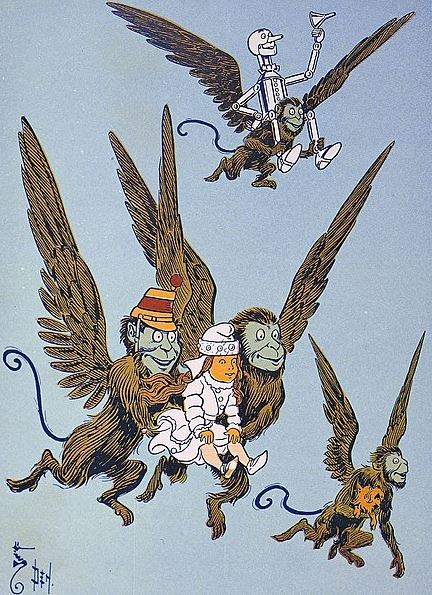
The Winged Monkeys were once a free band of animals living in the forests and jungles of the enchanted Land of Oz, doing whatever they pleased. They were a loyal but carefree group who mostly kept to themselves and hung out with their kind. They had a King who was the clan’s ruler and their leader, and he was the strongest and largest Monkey of them all.
But the Monkeys were also naturally mischievous, always looking for some innocent fun. However, one fateful day in Oz, the King of the Winged Monkeys decided as a prank to toss a very luxuriously dressed man into a river, splashing him from head to toe and ruining his beautiful velvet and soft golden silk costume.
Quelala, the man’s name, was good-natured enough that he didn’t mind the prank and thought it was rather funny. But his fiancée, Gayelette, was distraught and enraged.
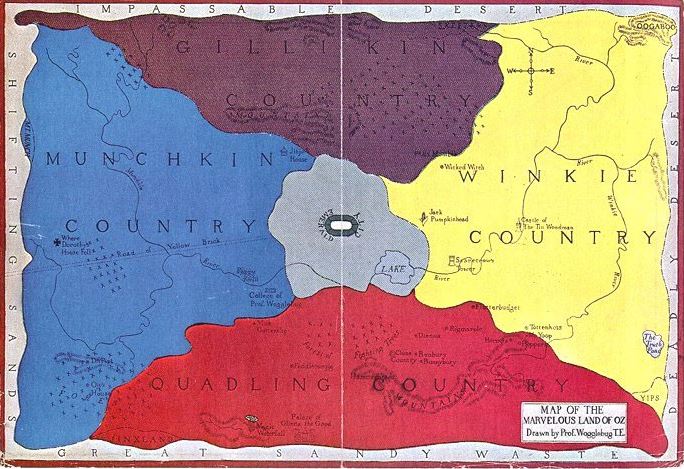
Gayelette was a lovely princess who ruled the Northern Gillikin Country from a small jeweled palace. (You can see he was very imaginative with names; something like Roxanne Nash sounds very average in comparison.)
Gayelette was furious with the Winged Monkeys since the day they opted to play the prank on Quelala coincided with his and Gayellette’s royal wedding. The Winged Monkeys didn’t realize that Gayellette was also a great sorceress practicing magic. She was so enraged by all the unwanted monkey business that she cursed the King Monkey and his entire community of winged creatures forever, making them eternal slaves to whoever ended up wearing the Golden Cap upon their heads; whoever wore it could order them to do any deed they desired three times.
Gayellete had this cap made as an authentic and valuable wedding gift for her beloved betrothed. And the cap itself was stunning, made of real solid gold and adorned with real rubies and diamonds that ran around the 24 karat gold brim. This cap alone has cost Princess Gayellette half of her sorcery and kingdom to build.
When Quelala was finally given the cap after the wedding, he used its powerful charm only once, commanding the Winged Monkeys to stay away from Gayelette, fearing that his new wife would punish them even more harshly due to her short temper. So, over time, they did as they were told and never went near Gayelette’s Gillikin kingdom or subjects again. After that, the band went dark for a long time.
But the Golden Cap’s magical chant was fixed, and it was even engraved inside the cap. When the incantation charm was properly spoken aloud, the Winged Monkeys immediately stop what they do, abandon their play or work, and come to assist their temporary master.
What They Stand For
Treatments of the modern fairy tale as a metaphor or allegory for America’s economic, political, and social events in the 1890s are included in political interpretations of The Wonderful Wizard of Oz. Scholars have studied four distinct versions of Oz:
- The novel (1900)
- The Broadway play (1901)
- The Hollywood film (1939)
- The numerous follow-up Oz novels written by Baum and others after 1900
The Winged Monkeys symbolize the plight of enslaved and dispossessed Asian laborers and Native Americans. The flying monkeys were acquired by the Wicked Witch of the West and used to enslave Winkie County and hold dominion over the witch’s lands until her death when it passed to Dorothy. Later, the Good Witch of the South, Glinda, granted the cap to the monkeys, freeing them from the curse.
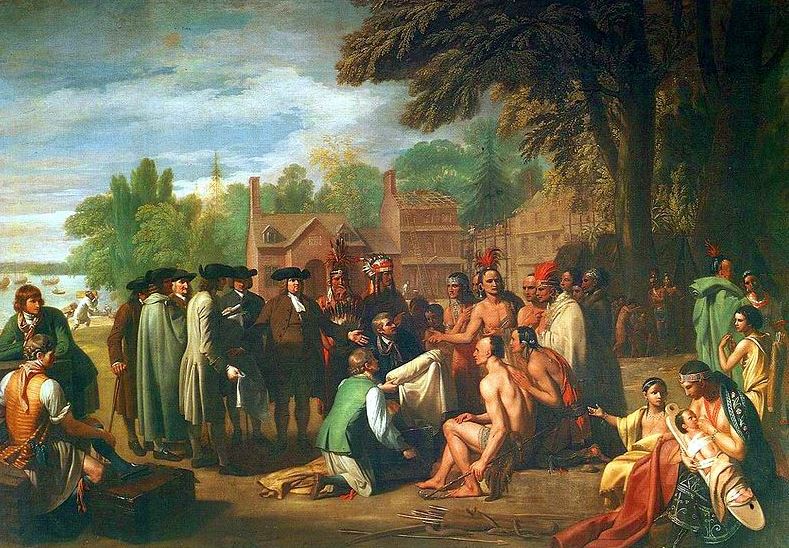
It has been suggested that the Winged Monkeys are a subtle depiction of Native Americans in the United States, specifically the Plains Indians, with their leader telling Dorothy that they were free people, enjoying life in the great forest, eating fruits and nuts, flying from tree to tree, and doing whatever they pleased without calling anyone master. This was many years before Oz appeared from the clouds to rule over the land. This statement refers to the arrival of European settlers on the North American continent and the subsequent eradication and enslavement of native populations.
Baum himself wrote extensively about Native Americans, and while displaying the typical racist overtones of the time, he also demonstrated sympathy and compassion for the marginalized and dispossessed. The Winged Monkeys also have been suggested to represent indentured Asian laborers in the American West. The latter, like the monkeys, are bound in bondage to foreign powers and forced to obey.
10 facts about the Flying Monkeys in The Wizard of Oz:
- Origins in the Book: The Flying Monkeys first appeared in L. Frank Baum’s 1900 novel The Wonderful Wizard of Oz. They serve the Wicked Witch of the West and are one of the obstacles that Dorothy and her friends must overcome.
- Controlled by the Golden Cap: In Baum’s book, the Flying Monkeys are controlled by whoever possesses the Golden Cap. The cap allows the wearer to command the monkeys three times.
- Role in the 1939 Film: In the 1939 MGM film The Wizard of Oz, the Flying Monkeys are depicted as the minions of the Wicked Witch of the West, who uses them to capture Dorothy and her companions.
- Iconic Appearance: The Flying Monkeys in the film are depicted as humanoid figures with blue fur, wings, and red-and-white uniforms, making them one of the most memorable and terrifying elements of the movie.
- Different from the Book: In the original book, the Flying Monkeys are not inherently evil. They are bound by a spell to serve whoever controls the Golden Cap, and they do not have any loyalty to the Wicked Witch beyond that.
- Scene in the Film: The scene in the 1939 film where the Flying Monkeys attack Dorothy and her friends is one of the most famous and suspenseful moments in the movie, showcasing the special effects of the time.
- Symbolism: Some interpretations suggest that the Flying Monkeys symbolize mindless obedience or the dangers of being controlled by those in power, reflecting broader themes in the story.
- Cultural Impact: The Flying Monkeys have become a popular cultural reference, often used to describe individuals who blindly follow orders or are used by someone to do their bidding.
- Behind the Scenes: In the 1939 film, the Flying Monkeys were portrayed by actors in costumes, and their flight scenes were achieved using a combination of wires and miniature models.
- Reappearances in Adaptations: The Flying Monkeys have appeared in various adaptations and spin-offs of The Wizard of Oz, including stage productions, animated series, and modern retellings like Wicked. Their portrayal varies, but they remain one of the most iconic elements of the Oz universe.