

Gwen Verdon was a shining star on Broadway and in the world of dance. She was known for her amazing talent as a dancer and actress, and she played a big part in creating some of the most famous musicals in history. Verdon’s work with choreographer Bob Fosse made her even more famous, and together they created unforgettable performances. Her unique style and passion for dance changed musical theater and inspired many performers. In this article, we will learn more about her life, career, and lasting impact on the world of entertainment.
Early Life

Gwen Verdon’s early life was shaped by her love for dance and her determination to overcome challenges. From a young age, her passion for performing arts set the stage for her future as a Broadway icon. Below is an exploration of her beginnings, family influences, and how she developed her skills as a dancer.
Birth and Childhood Challenges
Gwen Verdon was born on January 13, 1925, in Culver City, California. As a child, Gwen faced a serious health condition called rickets, which affected the strength of her bones and muscles, making it difficult for her to walk. Despite these challenges, her love for dance was undeniable, and she was determined to pursue it.
Early Passion for Dance
Gwen’s journey into dance began when her mother enrolled her in ballet classes to help strengthen her legs. This training not only helped improve her health but also ignited her passion for movement. She trained in classical ballet and modern dance techniques, gaining a solid foundation that would later shape her unique style.
Family Influence
Gwen’s family played a key role in nurturing her artistic talents. Her mother, a former dancer, encouraged her from a young age. Growing up in an artistic household, Gwen was surrounded by creativity, which fueled her ambition to pursue a career in the performing arts.
Her early life was filled with both physical challenges and opportunities, but with the support of her family and her deep love for dance, Gwen Verdon laid the groundwork for a remarkable career on stage.
Theater Career
Gwen Verdon’s theater career is one of the most celebrated in Broadway history. Her journey from chorus girl to Broadway star was marked by dedication, hard work, and incredible performances.
Early Stage Roles
Gwen Verdon’s career began humbly as a chorus dancer in several Broadway productions. She also worked behind the scenes as a dance assistant to choreographers, where her talent was quickly recognized. This early work gave Verdon the opportunity to learn from the best in the industry and to hone her skills as a dancer and performer. Her versatility and passion for dance set her apart even in the chorus.
Breakthrough in Can-Can (1953)
Verdon’s big break came in 1953 with the musical Can-Can. Originally cast in a small supporting role, her performance was so electrifying that she stole the show. Her dance number was such a standout that it earned her the first of four Tony Awards. Verdon became an overnight sensation and one of Broadway’s brightest stars.
Collaboration with Bob Fosse
One of the most significant parts of Verdon’s career was her collaboration with famed choreographer Bob Fosse. Their relationship began as a professional partnership, with Verdon starring in many of Fosse’s productions, and eventually grew into a personal relationship.
Together, Verdon and Fosse created some of Broadway’s most iconic roles, including Lola in Damn Yankees (1955), Charity in Sweet Charity (1966), and Roxie Hart in Chicago (1975). These roles cemented her status as a Broadway legend. Fosse’s choreography perfectly matched Verdon’s style, and their partnership brought new dimensions to musical theater, blending athletic dance moves with deep emotional storytelling.
Signature Dance Style
- Athleticism and Storytelling: Verdon’s dance style was unique. She combined the technical strength of ballet with the emotional expressiveness of modern dance. This blend allowed her to convey deep character emotions through movement, making her performances captivating on both a physical and emotional level.
- Versatility: Whether performing high-energy, acrobatic routines or more subtle, intimate dance numbers, Verdon had a way of drawing the audience into the story through her body language and facial expressions.
Impact on Broadway
- Revolutionizing Musical Theater: Gwen Verdon’s work changed the face of Broadway. Her performances helped raise the standard for what a Broadway star could be, blending acting, singing, and dancing into one seamless package.
- Influence on Future Generations: Verdon paved the way for future performers, showing that dance could be more than just a background element in musicals—it could be a key part of storytelling. Many performers and choreographers continue to draw inspiration from her innovative approach to dance and character work.
Film and Television Career
View this post on Instagram
While Gwen Verdon is best known for her remarkable stage career, she also made notable contributions to film and television.
Early Film Roles
Verdon successfully made the leap from Broadway to film with several key roles that showcased her dynamic dance abilities and strong stage presence. One of her most famous film roles was reprising her stage performance as Lola in the 1958 film adaptation of Damn Yankees. Her portrayal of the seductive yet playful character was a hit, bringing her Broadway charm to moviegoers.
As Verdon aged, she took on more diverse film roles, including a supporting role in Cocoon (1985), where she played a more dramatic and mature character, further highlighting her range as an actress.
Television Appearances
Gwen Verdon appeared in various TV shows throughout her career, often bringing her Broadway sparkle to the small screen. She guest-starred in a variety of roles, showcasing her versatility as an actress beyond dance-focused projects.
Verdon also made appearances on popular variety shows during the 1960s and 1970s, including performances on The Ed Sullivan Show and The Hollywood Palace, where she performed dance routines that captivated TV audiences.
Years after her death, Gwen Verdon’s legacy was honored in the FX miniseries Fosse/Verdon (2019), which chronicled her life and her relationship with Bob Fosse. Actress Michelle Williams portrayed Verdon, earning critical acclaim and shining a light on Verdon’s contributions to the arts.
Choreography and Consulting
In addition to her on-screen performances, Gwen Verdon was deeply involved in the choreography of several productions. Her expertise in dance made her a sought-after consultant for films and stage productions, where she provided guidance on movement and character interpretation through dance.
After Bob Fosse’s death, Verdon took on the role of preserving and promoting his work. She served as a consultant for productions of Fosse’s shows, ensuring that his choreography remained true to his original vision. This included work on revivals of Chicago and Sweet Charity. Verdon also worked as a choreographer for several films and TV shows, lending her talents behind the camera to create memorable dance sequences.
Personal Life
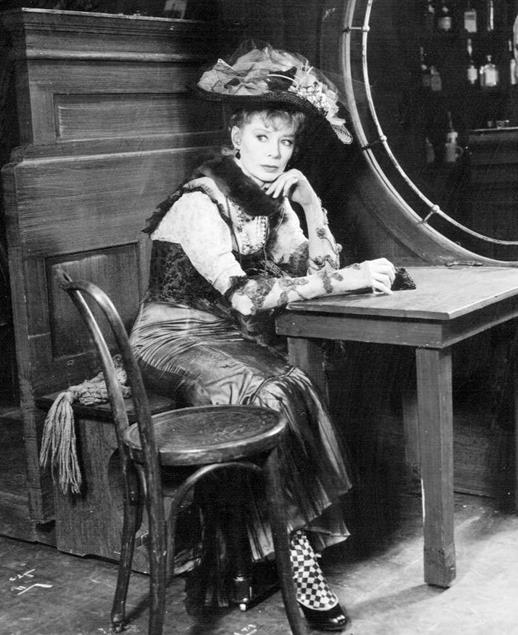
Gwen Verdon’s personal life was closely intertwined with her professional career, particularly through her marriage to choreographer Bob Fosse. Their relationship, though complex, was one of the most famous and influential partnerships in the world of musical theater.
Marriage and Family
Verdon married renowned choreographer and director Bob Fosse in 1960, a relationship that would shape both of their careers. They met during the production of Damn Yankees, and their collaboration produced some of the most iconic musicals in Broadway history, including Sweet Charity and Chicago.
Verdon and Fosse’s professional relationship was one of mutual respect and creative synergy. Verdon was not only Fosse’s muse but also his closest collaborator, often assisting in shaping the choreography and character development in his productions.
Despite their successful partnership, their marriage faced significant challenges. Fosse’s struggles with infidelity and addiction put a strain on their relationship. While they separated in 1971, they remained legally married and continued to collaborate professionally until Fosse’s death in 1987.
Together, they had one daughter, Nicole Fosse, born in 1963. Nicole went on to have a career in dance and acting, continuing the artistic legacy of her parents.
Advocacy and Later Years
In her later years, Verdon became an active advocate for the arts. She worked to promote dance and theater education, offering her experience and knowledge to new generations of performers. Verdon also served on the board of several arts organizations, using her influence to support the industry she loved.
After Fosse’s death in 1987, Verdon dedicated much of her time to preserving his work and ensuring that his contributions to choreography and directing were remembered. She served as a consultant for revivals of his shows, including Chicago and Dancin’, ensuring that Fosse’s signature style remained intact in new productions.
Even after retiring from performing, Verdon remained active in the world of dance and theater. She mentored young performers and consulted on various projects, ensuring that her passion for the arts continued to influence future generations.
Death
On October 18, 2000, Gwen Verdon passed away at the age of 75 due to heart failure. Her death marked the end of a remarkable life dedicated to the performing arts. Verdon left behind a legacy as one of Broadway’s most iconic stars, known for her incredible talent as a dancer, actress, and collaborator. She was widely recognized not only for her performances but also for her contributions behind the scenes, particularly in preserving the work of Bob Fosse.
Legacy
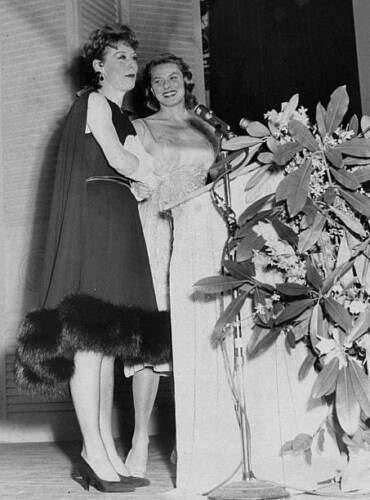
Gwen Verdon’s legacy in the world of performing arts is profound and enduring. She revolutionized the way dance was incorporated into musical theater, and her influence continues to shape the industry today.
Influence on Dance and Musical Theater
- Redefining Broadway Performance: Verdon’s ability to seamlessly blend dance with character-driven storytelling transformed how musical numbers were perceived. Her performances weren’t just about showcasing impressive dance moves; they conveyed deep emotions and advanced the story, elevating the role of dance in musical theater.
- Inspiring Future Generations: Verdon’s unique style and pioneering approach have inspired generations of dancers and choreographers. Many performers continue to look up to her as a role model, both for her technical skill and her ability to inhabit a character so fully through movement.
Preservation of Bob Fosse’s Work
- Guarding Fosse’s Legacy: One of Verdon’s most significant contributions in her later years was her dedication to preserving Bob Fosse’s work. As his closest collaborator, she played an essential role in ensuring that his choreography was faithfully recreated in revivals of his shows. Her efforts helped keep Fosse’s unique style alive in modern productions, such as the long-running revival of Chicago.
- Mentoring New Performers: Beyond her work on Fosse’s productions, Verdon also mentored young dancers and performers, sharing her vast knowledge of dance and performance. Her influence extended beyond her own career, as she helped shape the next generation of artists.
Cultural Impact
- Enduring Popularity of Her Work: Shows like Damn Yankees, Sweet Charity, and Chicago continue to be performed and revived, showcasing Verdon’s lasting impact on the world of theater. Her roles in these productions remain iconic, with many modern performers studying her work to better understand the art of musical theater.
- Honoring Her Memory: In 2019, the FX series Fosse/Verdon further cemented her place in popular culture, bringing her story to a new audience. The show highlighted both her personal life and professional achievements, ensuring that her legacy is appreciated by theater fans today.
Gwen Verdon’s contributions to dance, theater, and the arts will never be forgotten. Her legacy continues to inspire and influence performers, choreographers, and audiences alike.
Final Thoughts
Gwen Verdon was a true Broadway legend whose talent, passion, and dedication to dance and theater changed the world of performing arts. From her iconic roles on stage to her behind-the-scenes work, Verdon left an enduring legacy that continues to inspire performers today. Her contributions to dance and musical theater will always be remembered, and her influence will live on through the many shows and artists she helped shape.