

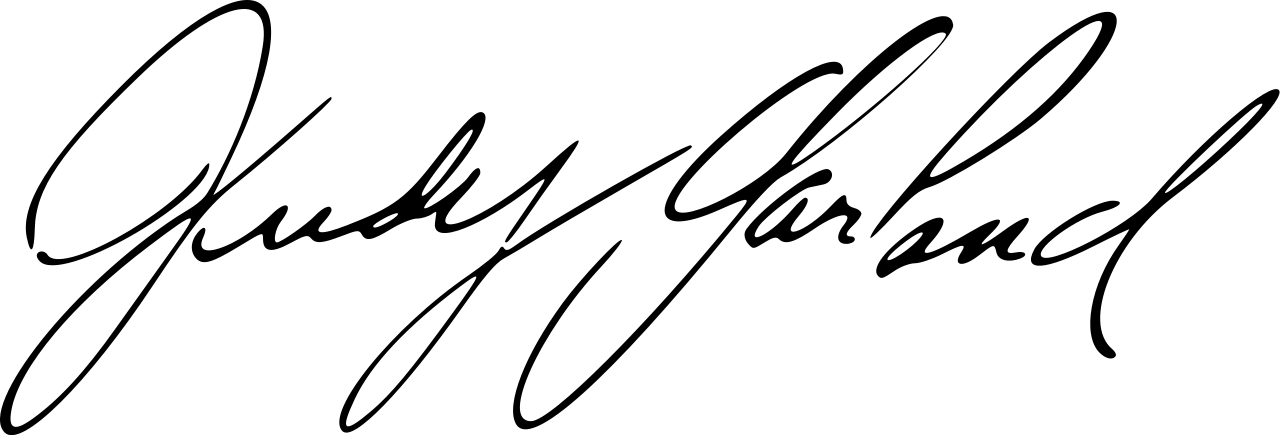
Judy Garland was a renowned actress, singer, dancer, and vaudeville performer whose career spanned an impressive 45 years. Rising to stardom early in her life, Garland captivated audiences with her talent and versatility. Her remarkable performances earned her numerous prestigious awards.
Garland is perhaps best remembered for her unforgettable portrayal of Dorothy Gale in the 1939 classic The Wizard of Oz, which solidified her status as a beloved Hollywood icon. Read on and learn more about the life and legacy of Judy Garland.
Early Life of Judy Garland
Judy Garland’s early life was marked by a combination of remarkable talent and the pressures of early stardom. Born into a family of performers, her journey to fame began almost as soon as she could walk. However, the road to becoming one of Hollywood’s most beloved icons was not without its struggles.
Childhood and Family Background
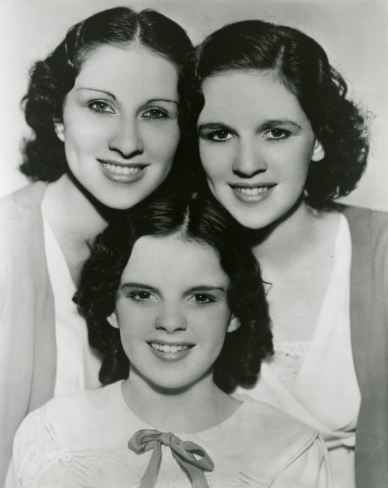
Judy Garland was born Frances Ethel Gumm on June 10, 1922, in Grand Rapids, Minnesota. She was the youngest of three daughters born to Ethel and Frank Gumm, both of whom were vaudevillians. Her parents’ careers in show business had a strong influence on Garland from a young age, and she began performing with her older sisters as “The Gumm Sisters” when she was just two years old.
The family moved to California in 1926 in search of better opportunities in the entertainment industry. It was here that Frances, later to be known as Judy Garland, began to take her first steps toward a professional career in entertainment.
The Transition to Judy Garland
In 1934, at the age of 12, Frances Gumm adopted the stage name Judy Garland. The name change was suggested by George Jessel, a popular entertainer at the time, who felt that “Gumm” was not suitable for a Hollywood star. “Judy” was chosen after a popular song of the era, while “Garland” was inspired by Jessel’s friend, drama critic Robert Garland. With her new identity, Judy quickly became a rising star.
Early Performances
Judy Garland’s early performances were a showcase of her exceptional talent, which shone brightly even at a young age.
Vaudeville Beginnings
Garland’s first experiences in show business came as part of “The Gumm Sisters,” a vaudeville act with her older sisters, Mary Jane and Dorothy. As the youngest, Judy quickly stood out with her remarkable singing voice, and by the age of two, she was performing regularly with the group. The trio toured around the country, singing and dancing in small venues, and Garland’s natural charisma helped the group gain some local success.
However, it was clear early on that Judy was the star of the group. Her voice, even as a child, had a maturity and emotional depth that left audiences in awe. After a few years, the sisters disbanded, and Judy Garland began to focus on a solo career.
Hollywood Auditions and Early Film Roles
Garland’s breakthrough came when she auditioned for Metro-Goldwyn-Mayer (MGM) at the age of 13. She impressed studio executives with her powerful vocals, and in 1935, she signed a contract with MGM. Initially, the studio struggled to find the right roles for her. She didn’t fit the mold of a typical child star, and she often faced tough competition from other young actresses like Shirley Temple.
Despite these challenges, Garland’s talents were undeniable, and her early film roles helped her gain recognition. One of her first major performances came in the short film Every Sunday (1936), where she performed alongside Deanna Durbin. Garland’s performance stood out, and the film became a stepping stone to bigger opportunities.
Breakout Song: “You Made Me Love You”
One of Garland’s most memorable early performances occurred in 1937 when she sang “You Made Me Love You” at a birthday party for Hollywood actor Clark Gable. The performance was so well-received that it was included in the 1937 film Broadway Melody of 1938, where she sang the song in character, professing her admiration for Gable.
This performance became a defining moment in her early career, showcasing her vocal talent and ability to connect with audiences on an emotional level. The song also became one of her signature numbers and solidified her position as a rising star in Hollywood.
Judy Garland at the Metro-Goldwyn-Meyer
Judy Garland’s time at Metro-Goldwyn-Mayer (MGM) was a defining period in her career, where she transitioned from a child star to one of Hollywood’s most iconic performers. While her years at MGM were filled with professional triumphs, they were also marked by personal challenges and the pressures of maintaining a public image.
Signing with MGM
In 1935, at just 13 years old, Judy Garland signed a contract with MGM, the most powerful and prestigious studio in Hollywood at the time. Unlike other child stars such as Shirley Temple, Garland didn’t fit the traditional mold of the young, glamorous Hollywood actress. However, it was her exceptional voice that set her apart. MGM head Louis B. Mayer recognized Garland’s potential and saw her as a valuable asset to the studio’s musical productions.
Garland’s signing with MGM was the beginning of a lifelong relationship with the studio that would see her become one of their brightest stars, but it would also expose her to the darker side of the entertainment industry.
Early MGM Films and Collaborations with Mickey Rooney
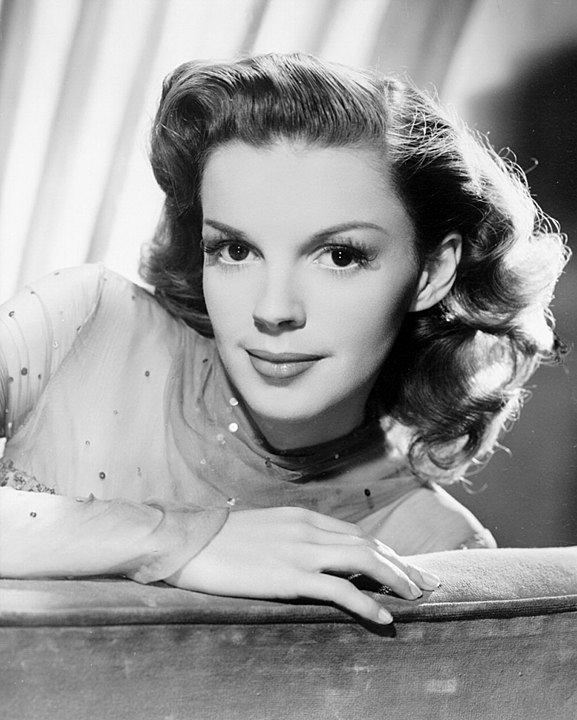
One of Garland’s earliest successes at MGM was her collaboration with Mickey Rooney. The two became one of the most beloved on-screen pairs in Hollywood, starring in a series of “backyard musicals” that were designed to entertain during the Great Depression. Their first major success together came in Love Finds Andy Hardy (1938), where Garland played a shy girl with a big heart who pines after Rooney’s character.
The chemistry between Garland and Rooney was electric, and the two would go on to star together in multiple films, including Babes in Arms (1939), Strike Up the Band (1940), Babes on Broadway (1941), and Girl Crazy (1943). These films showcased Garland’s versatility as both an actress and a singer. They often followed the formula of young, ambitious characters putting on a show to save the day, with Garland’s performances consistently standing out.
MGM’s Control Over Garland’s Image
While Garland was achieving success on screen, her life behind the scenes at MGM was much more difficult. The studio tightly controlled her image and subjected her to immense pressure to maintain a specific appearance. Executives, particularly Louis B. Mayer, were obsessed with Garland’s weight and looks. To keep her looking youthful and slim, she was placed on strict diets and often given amphetamines to suppress her appetite and maintain energy during long filming hours.
MGM’s control over Garland’s image extended to every aspect of her life. The studio monitored her social activities, and she was often made to feel insecure about her appearance. These pressures would later contribute to her struggles with self-esteem, mental health, and addiction.
Notable MGM Films
Throughout the 1940s, Garland starred in a series of successful films at MGM, many of which were musicals. Some of her most notable films from this period include:
- Meet Me in St. Louis (1944) – One of Garland’s most beloved films, this musical featured her iconic performance of “Have Yourself a Merry Little Christmas.” Directed by Vincente Minnelli, whom Garland later married, the film was a major box-office success and showcased her acting and vocal talents.
- The Harvey Girls (1946) – In this musical Western, Garland played a waitress in the Old West, and her performance of “On the Atchison, Topeka and the Santa Fe” earned the film an Academy Award for Best Original Song.
- Easter Parade (1948) – Starring opposite Fred Astaire, Garland delivered a charming performance in this musical, which became one of the biggest hits of her career.
- In the Good Old Summertime (1949) – Another musical, Garland’s performance in this film further solidified her as MGM’s top musical star.
Judy Garland in The Wizard of Oz
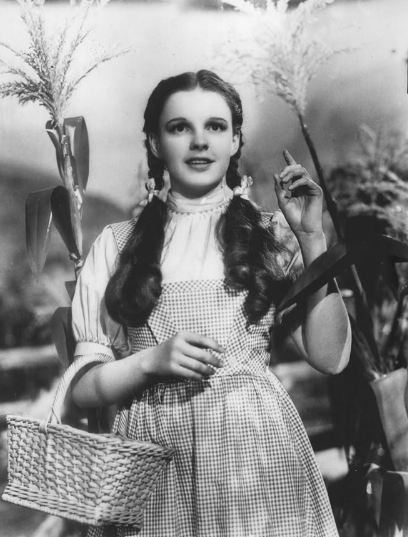
Judy Garland’s portrayal of Dorothy Gale in The Wizard of Oz (1939) is one of the most iconic performances in cinematic history. At just 16 years old, Garland delivered a performance that would forever be associated with her name, captivating audiences with her heartfelt portrayal of a young girl yearning for home.
Casting and the Role of Dorothy
Garland was cast as Dorothy after MGM producers struggled to find the right actress for the part. Originally, Shirley Temple was considered for the role, but due to contract issues with 20th Century Fox and concerns about her vocal abilities, the part eventually went to Garland. At the time, Garland had already made a name for herself with several successful films, but The Wizard of Oz would be her breakthrough role.
The character of Dorothy Gale, a young Kansas farm girl who is swept away to the magical land of Oz, required a balance of innocence, courage, and emotional depth. Garland, with her youthful charm and powerful voice, was a perfect fit for the role. She brought a warmth and sincerity to Dorothy that made her a beloved character for audiences of all ages.
“Over the Rainbow”: A Defining Moment
One of the most memorable aspects of The Wizard of Oz is Garland’s performance of the song “Over the Rainbow.” Written by Harold Arlen and Yip Harburg, the song expresses Dorothy’s longing for a better world “somewhere over the rainbow.” Garland’s emotional delivery of the song became one of the most defining moments of her career, showcasing her unique ability to convey both vulnerability and hope.
Interestingly, “Over the Rainbow” was nearly cut from the film during early production, as studio executives thought it slowed down the pacing of the story. However, it was ultimately kept in the movie, and it went on to win the Academy Award for Best Original Song. Today, it is considered one of the greatest songs in film history, and it remains closely associated with Garland’s legacy.
The Film’s Success and Lasting Impact
Upon its release in 1939, The Wizard of Oz was not an immediate box office success, largely due to the high cost of production and the release of other major films that year, such as Gone with the Wind. However, over time, the film gained widespread acclaim and became a beloved classic, thanks in part to repeated television broadcasts in the 1950s and 1960s.
Garland’s performance as Dorothy became synonymous with the film’s success. She won a special Academy Juvenile Award in 1940 for her work in The Wizard of Oz and Babes in Arms (1939), recognizing her as one of the top young stars in Hollywood.
The film’s themes of friendship, bravery, and the search for belonging resonated deeply with audiences, and Dorothy’s famous line, “There’s no place like home,” became a cultural touchstone. Garland’s ability to capture Dorothy’s journey from innocence to empowerment made the character both relatable and inspiring, particularly for young viewers.
Garland’s Legacy as Dorothy
While The Wizard of Oz brought Garland international fame, it also became a role she could never fully escape. Throughout her career, she was often associated with the character of Dorothy, and the song “Over the Rainbow” became a signature piece in her performances. Although Garland went on to achieve success in many other films and as a recording artist, The Wizard of Oz remained the cornerstone of her legacy.
For Garland, the role of Dorothy represented both the peak of her stardom and the beginning of the personal struggles she would face in the years to come. The pressure to maintain her youthful image, combined with the intense demands of MGM, led to lifelong issues with self-esteem and substance abuse. Nevertheless, her performance in The Wizard of Oz remains a timeless example of her extraordinary talent and enduring impact on popular culture.
Awards and Honors of Judy Garland
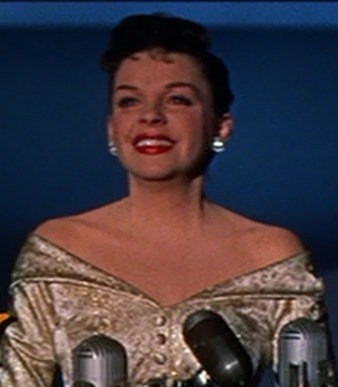
Throughout her illustrious career, Judy Garland received numerous prestigious awards and honors in recognition of her immense talent and contributions to the entertainment industry.
Academy Juvenile Award (1940)
In 1940, Judy Garland received a special Academy Juvenile Award, recognizing her as the year’s outstanding juvenile performer. This honor came after her standout performances in The Wizard of Oz and Babes in Arms (both 1939). The Juvenile Oscar, given to exceptional young talent, was awarded to Garland for her remarkable role as Dorothy Gale, which catapulted her into international stardom.
Grammy Awards
Garland’s vocal talents earned her significant recognition in the music industry, most notably with several Grammy Awards, including a historic win.
- Album of the Year (1961): Judy Garland made history as the first woman to win the Grammy Award for Album of the Year for Judy at Carnegie Hall. This live concert album was recorded during her legendary performance at Carnegie Hall and became one of her most celebrated works. The album stayed at the top of the charts for 13 weeks and won multiple Grammy Awards.
- Grammy Lifetime Achievement Award (1997): Although awarded posthumously, Garland was honored with the Grammy Lifetime Achievement Award in recognition of her enduring influence on music and entertainment.
Golden Globe Award (1955)
In 1955, Garland won the Golden Globe for Best Actress in a Motion Picture – Comedy or Musical for her performance in A Star is Born (1954). Her portrayal of the struggling actress Vicki Lester was widely praised, and the role became one of the most defining performances of her later career. Despite her personal challenges during production, Garland delivered a powerful and emotional performance that is considered one of her best.
Tony Award (1952)
Garland was also recognized for her exceptional stage performances. In 1952, she received a Special Tony Award for her unique contribution to the revival of vaudeville and for her engagement at the Palace Theatre in New York. Her performances at the Palace Theatre became legendary, and Garland’s ability to captivate live audiences was recognized as one of the highlights of her career.
Academy Award Nominations
Garland received two Academy Award nominations during her career:
- Best Actress in a Leading Role (1955): Garland was nominated for her role in A Star is Born, but despite being considered the frontrunner, she did not win. The loss was highly publicized, and many believe it remains one of the biggest upsets in Oscar history.
- Best Supporting Actress (1962): She was nominated for her role in Judgment at Nuremberg, playing a woman who had survived the horrors of Nazi Germany. Though she did not win, the nomination recognized her ability to deliver powerful dramatic performances.
Cecil B. DeMille Award (1962)
In 1962, Garland was honored with the Cecil B. DeMille Award for lifetime achievement in the film industry at the Golden Globe Awards. This award recognized her remarkable body of work and her impact on Hollywood as a singer and actress.
Other Honors and Legacy
In addition to the major awards, Garland received many other honors, including:
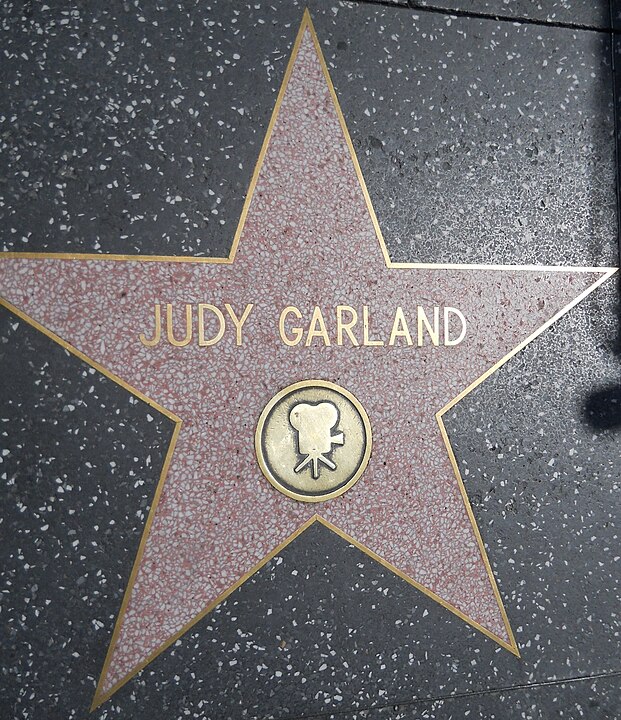
- Star on the Hollywood Walk of Fame (1960): Garland was awarded a star on the Hollywood Walk of Fame, which remains a symbol of her lasting impact on the entertainment industry.
- Kennedy Center Honors (1983): Posthumously awarded, Garland was recognized by the Kennedy Center Honors for her artistic contributions to American culture.
Final Years and Death
The Judy Garland Show and Financial Struggles
In the early 1960s, Judy Garland starred in her own television program, The Judy Garland Show, on CBS. Despite high expectations and initial success, the show was canceled after just one season. However, it was regarded as one of the biggest talent deals in television history. During this period, Garland faced significant financial difficulties, including considerable debts to the Internal Revenue Service due to unpaid taxes from 1951 and 1952.
Marriages and Personal Challenges
Garland’s personal life was marked by a series of tumultuous relationships. In 1963, she divorced her third husband, Sidney Luft, citing mental cruelty. After the end of her TV show, she returned to performing on stage, often sharing the spotlight with her daughter, Liza Minnelli. Her live performances were met with success, helping her maintain a career despite ongoing challenges.
In 1965, Garland married actor Mark Herron, her fourth husband, but the marriage lasted only five months before they divorced. In 1969, she entered into her fifth and final marriage with Mickey Deans. However, her health and personal struggles continued to worsen during this time.
Death and Legacy
On June 22, 1969, just three months after her marriage to Deans, Judy Garland was found dead in her London home at the age of 47. The cause of death was determined to be an accidental overdose of barbiturates. Garland’s funeral was held at the Frank E. Campbell Funeral Chapel in New York City, and she was laid to rest at Ferncliff Cemetery in Hartsdale, New York.
Though her life was cut short, Garland’s legacy as one of Hollywood’s most iconic and gifted performers endures to this day.
Final Thoughts
Judy Garland’s extraordinary talent and unforgettable performances have left a permanent mark on the entertainment world. She captivated audiences with her voice, charm, and emotional depth. Despite the personal struggles she faced throughout her life, Garland’s legacy as a beloved actress, singer, and cultural icon continues to inspire and entertain new generations. Her influence on film and music will remain timeless, ensuring her place in history as one of Hollywood’s greatest stars.